For commercial properties in Zionsville, IN, the defensible choice between repair, restoration, and replacement starts with roof-system condition, moisture findings, drainage performance, and remaining service life. Commercial roof inspections, replacements, and maintenance for Zionsville — historic downtown brick commercial buildings, Boone County office and retail, US-421 corridor, and the premium residential and boutique commercial development that defines the city's identity.
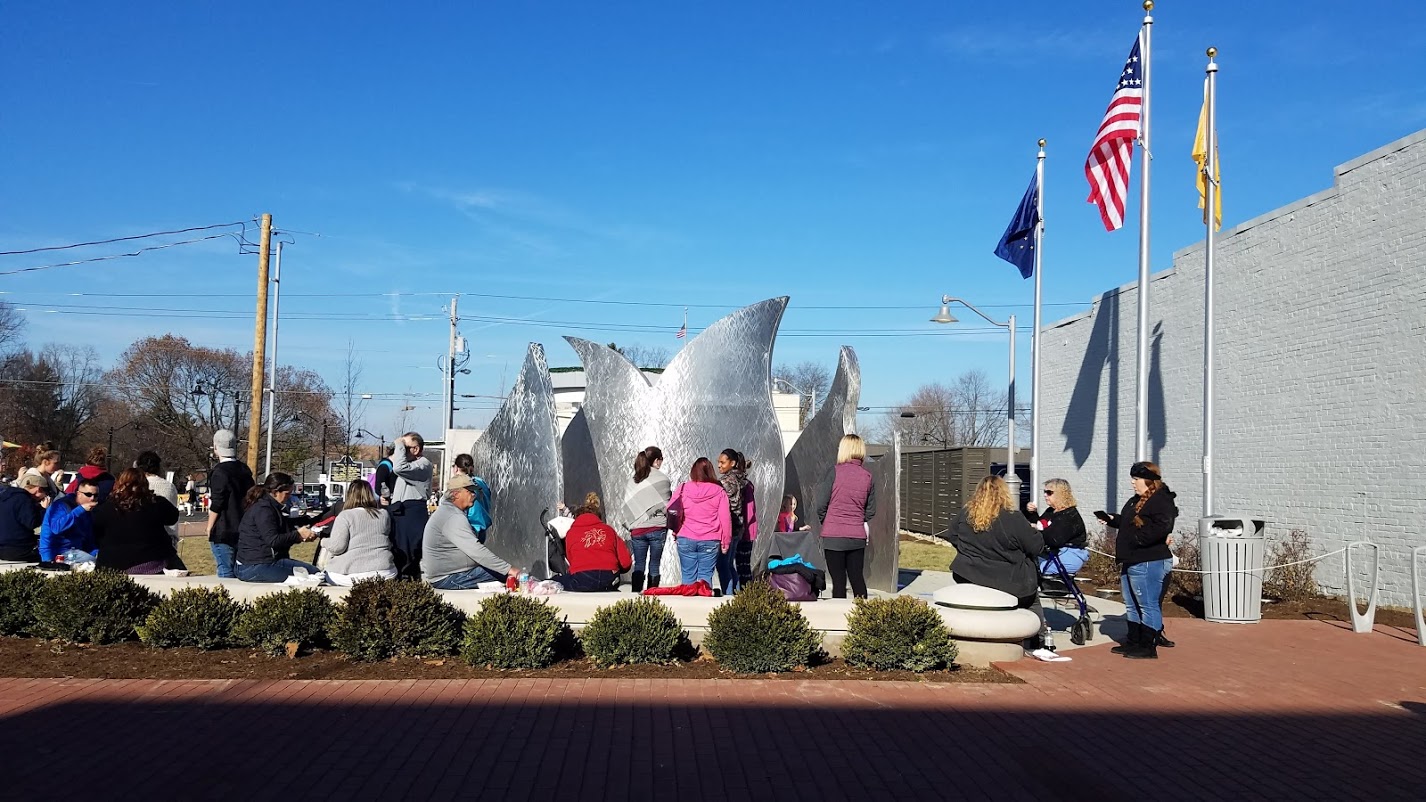
Main Street Historic District: The Lincoln Street corridor and surrounding blocks contain Zionsville's most architecturally significant commercial buildings — brick masonry construction, 1890s through 1960s vintage, with parapet walls that have been patched and repointed repeatedly over decades. Low-slope roof systems on these buildings are typically third or fourth generation: a 2010 TPO cap over a 1995 modified bitumen recover over original gravel-ballasted BUR. Each recover adds weight to the structural deck — we assess deck capacity before specifying any additional insulation or recover system.
US-421 Commercial Corridor (Whitestown Parkway to CR-600S): Newer retail centers, medical office buildings, and corporate facilities along the US-421 arterial. Buildings here are mostly steel-frame construction, 2005 through 2018 vintage, on standard commercial flat-roof deck systems. TPO and EPDM single-ply, most in the first or second maintenance cycle.
Eagle Village / US-421 North: A mixed-use retail and professional office development that anchors the northern Zionsville commercial market. Newer vintage — 2010 through 2020 — in first maintenance cycle. Work here involves warranty documentation and annual condition assessment rather than replacement.
Historic district commercial buildings in Zionsville present scoping constraints that do not exist in the US- are under Historic Preservation Commission purview — replacement coping profiles must match existing historic profiles, which rules out standard aluminum or PVC coping and requires custom-profile or period-appropriate metal fabrication.
Structural deck assessment is more critical in historic district buildings than in new steel-frame construction. Original wood structural decks in 1920s and 1930s masonry buildings can carry far less additional weight than a modern metal deck. Before specifying any additional insulation layers or a heavy recover system, we assess the deck — either visually through existing penetrations or by opening inspection ports at representative locations.
Interior moisture loads in Zionsville's Main Street restaurant buildings (there are multiple active restaurant tenants on Lincoln Street) are higher than standard retail or office. Kitchen exhaust penetrations on these roofs accumulate grease residue that degrades membrane at the collar — we document every exhaust penetration and specify PVC membrane (which resists grease degradation) at kitchen exhaust zones where the base membrane is TPO or EPDM.
Zionsville sits in western Boone County at the edge of the glaciated central Indiana plain. Open exposure to prevailing west and northwest winds is greater here than in the urban core or the tree-canopied Hamilton County suburbs. Wind-uplift design loads in Zionsville are a step above what we specify for protected urban-core buildings — the open agricultural landscape west of US-421 provides minimal windbreak for the commercial buildings on the western edge of the market.
Freeze-thaw cycling in Boone County follows the same central Indiana pattern — 50 to 70 events per year — but the colder average temperatures and higher wind chill in this open landscape accelerate flashing caulk failure and parapet mortar deterioration faster than in sheltered urban locations. The historic masonry buildings on Main Street are particularly susceptible: original mortar joints that have been repointed with incompatible modern mortar (harder than the original) trap moisture at the interface, which then freeze-thaw cycles and drives the old masonry apart.
Historic district or US-421 corridor — we walk the roof, document what we find, and produce a written report for capital planning or warranty records.
Tell us about the building and the roof problem. We'll document it and put a plan in writing — with an honest repair-vs-replace recommendation and no upsell pressure.
Get a Roof Assessment →
Commercial & industrial roofing across Central Indiana — documented scopes, honest priorities, and roofs scoped to how your operation runs.