
COMMERCIAL & INDUSTRIAL ROOFING IN INDIANAPOLIS, IN

Commercial Roofing Help for Indianapolis Buildings

Emergency repairs, flat roof inspections, coatings, reroofing and ongoing service for commercial properties across Central Indiana.

COMMERCIAL ROOFING ACROSS CENTRAL INDIANA Commercial roof repair, replacement, coatings, maintenance programs, inspections, and condition reports for owners and facility teams across Indianapolis.

Commercial Roof Condition Reporting

Commercial Roofers Indianapolis helps Indianapolis property teams decide from documented roof conditions, not guesswork.

We document the roof, separate urgent repair from capital replacement, and put a written plan in your hands.

ABOUT US
Commercial roof leak in Indianapolis?

Call now to control the water, document the source and set the next repair step.

Call (317) 953-5276
Flat roof replacement inspection

Find out what the roof needs before you price the job.

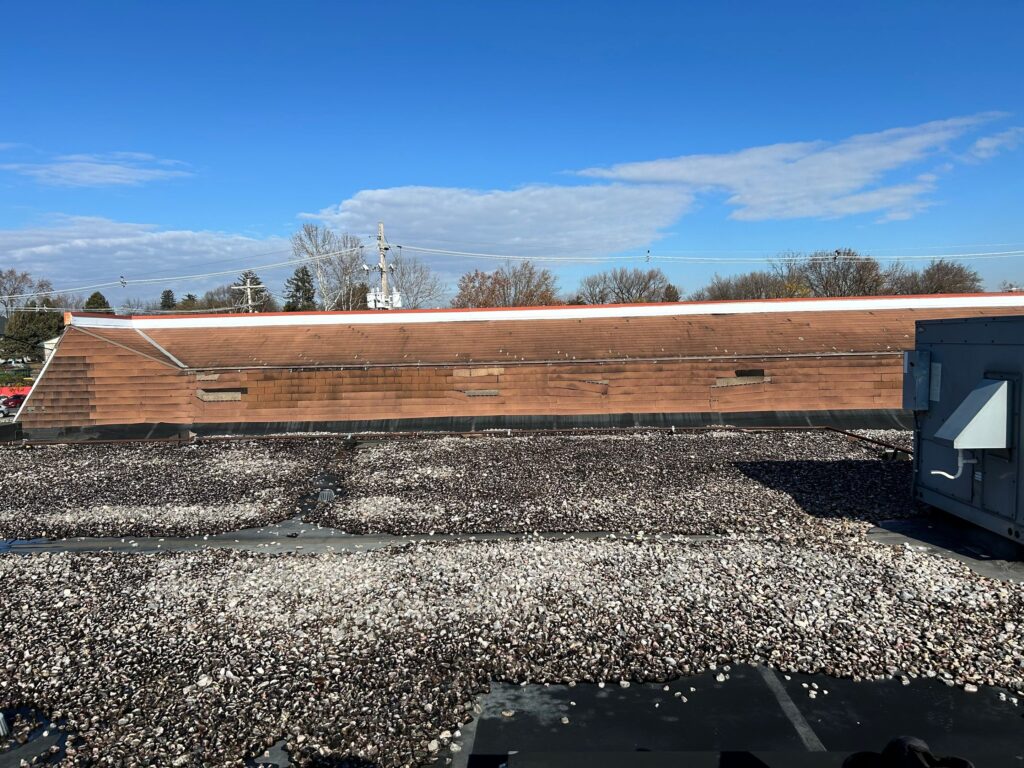
A replacement decision should start with the roof in front of you. We review membrane condition, seams, penetrations, drainage, past repairs and signs of trapped moisture, then document what can be repaired and what has reached the end of its useful life.

The result is a clear choice between targeted repair, restoration coating, recover or full replacement. Your team gets a written scope it can budget, bid and defend.

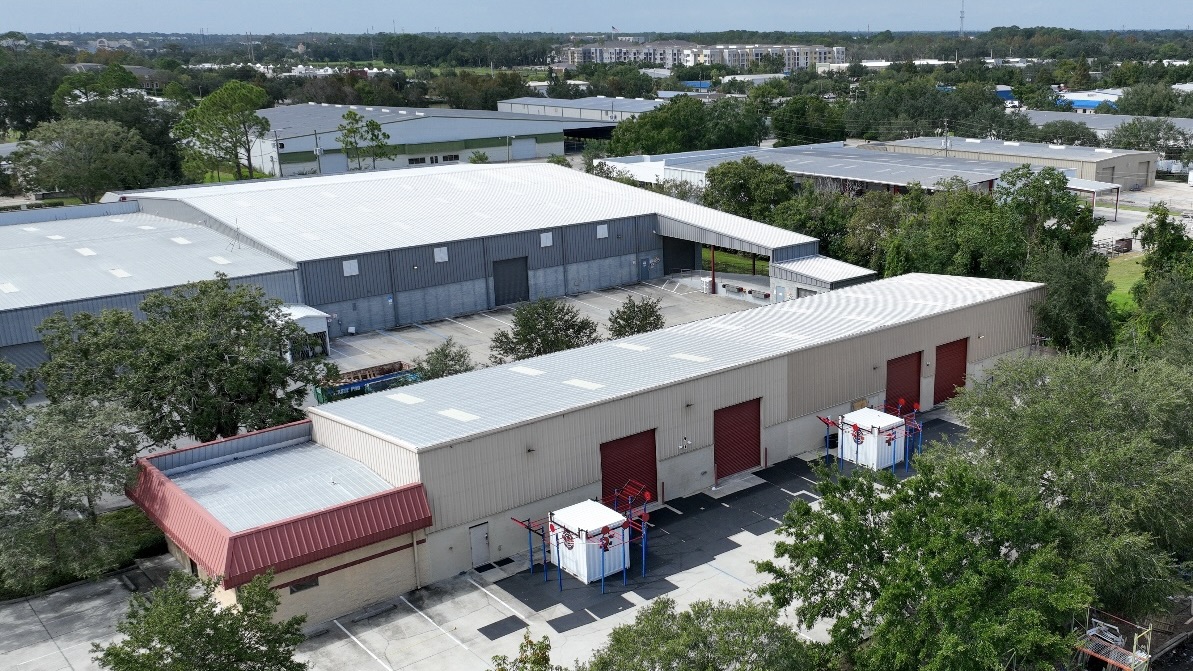
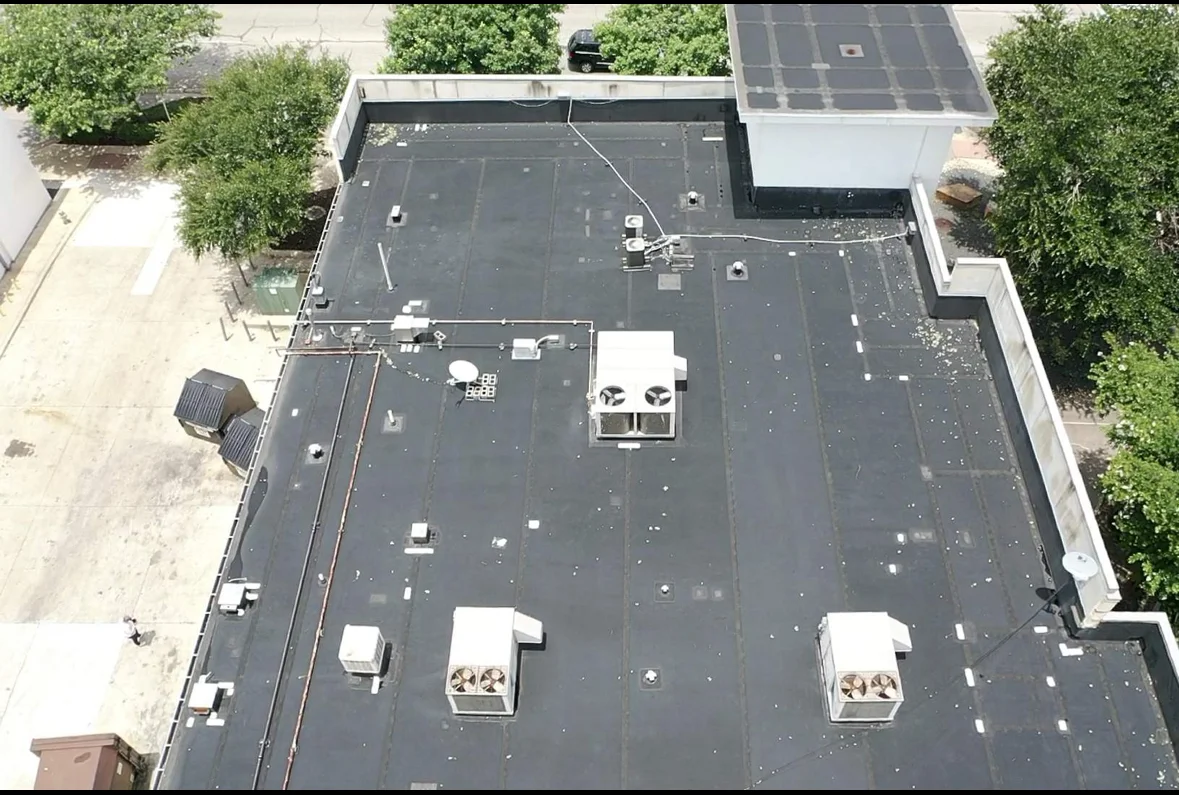
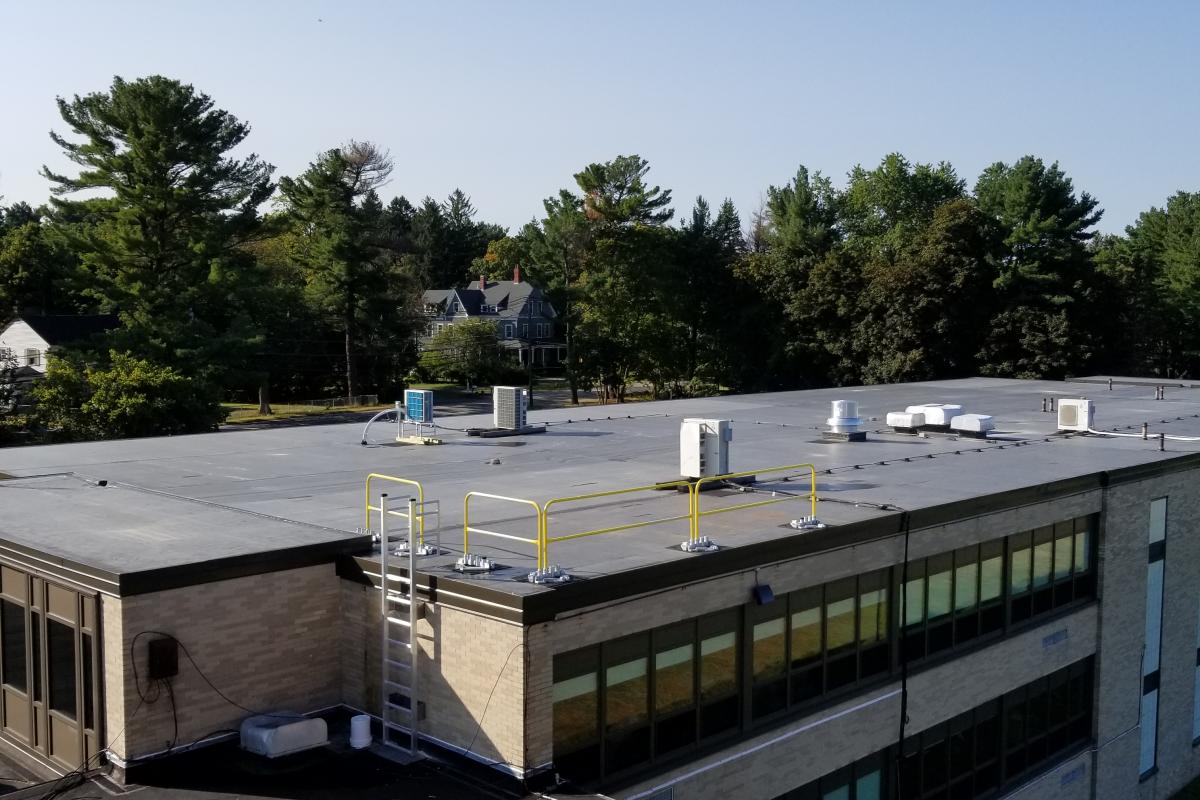
Flat roof replacement inspection on an Indianapolis commercial building

Featured Commercial Roof Work

Logistics & Distribution Roofing

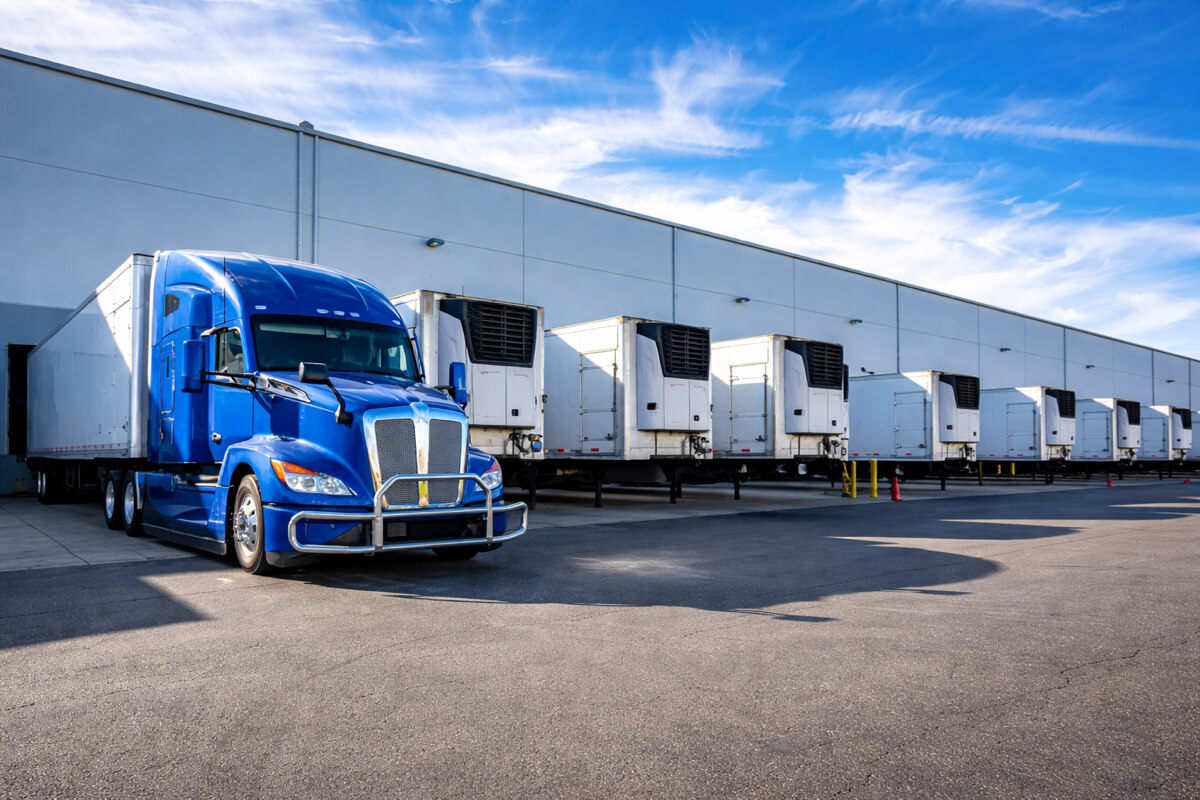
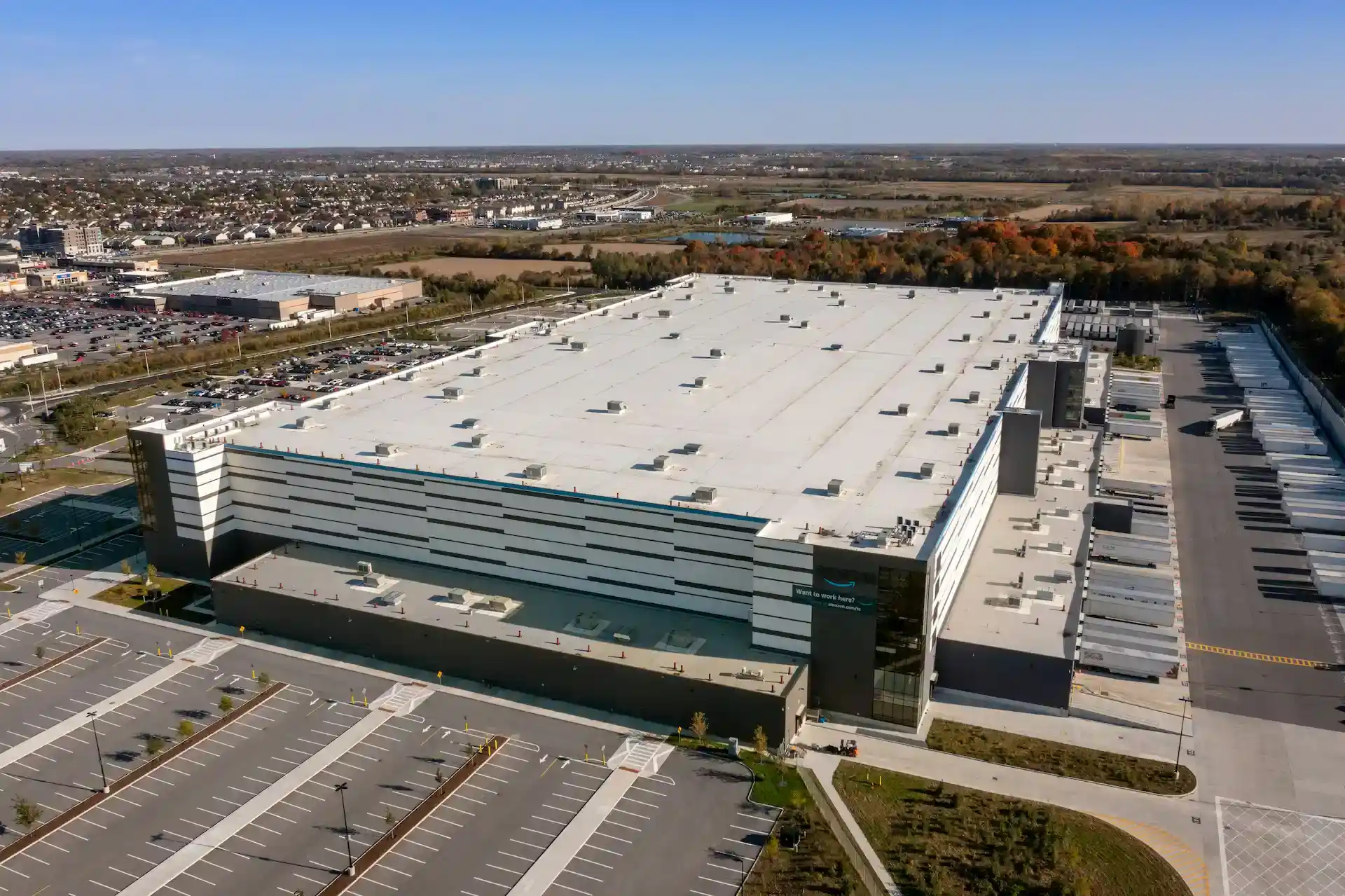
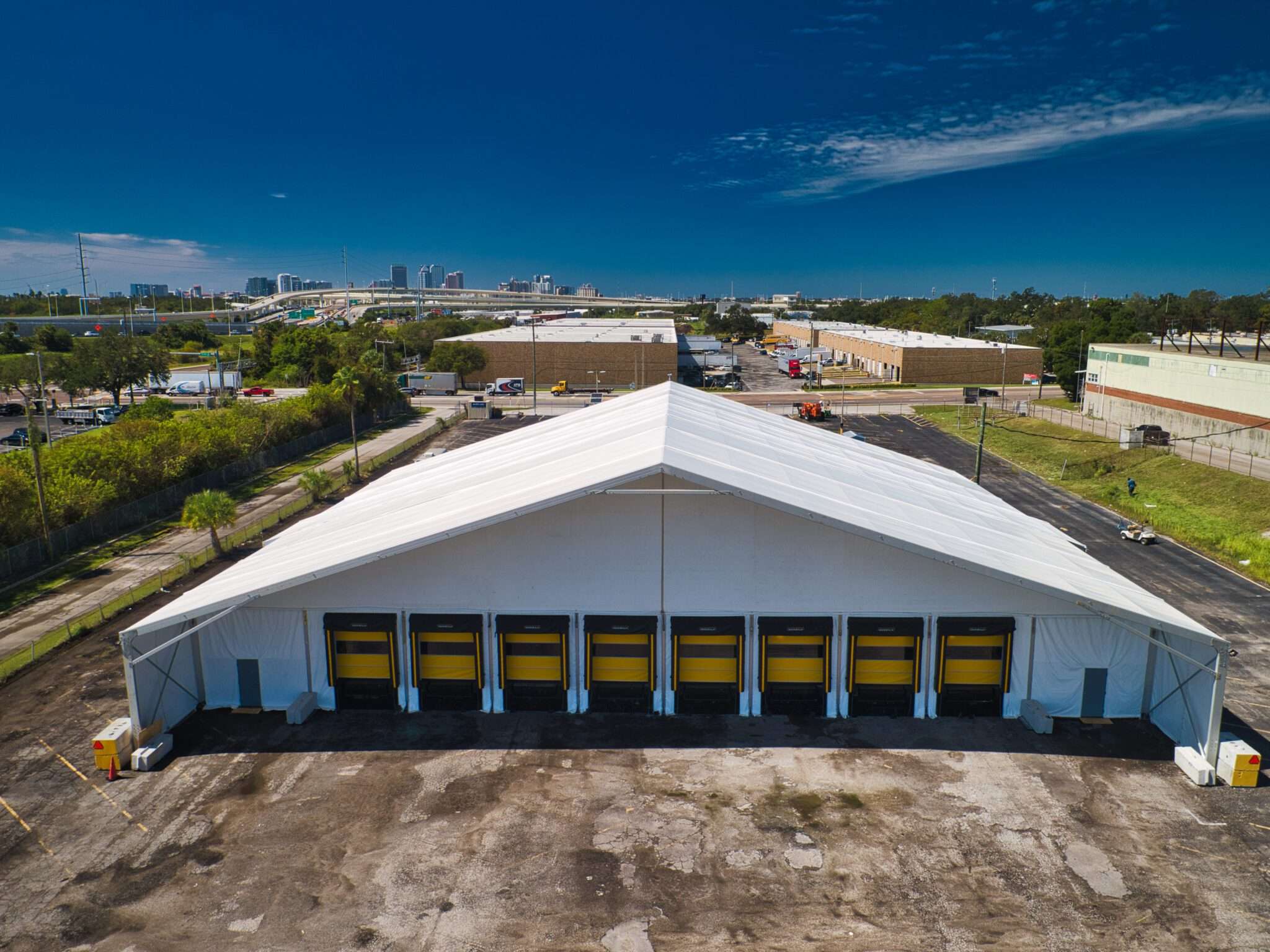
Large-footprint warehouse, distribution, and logistics roofs around I-70, Plainfield, Whitestown, and the Indianapolis airport cargo corridor need scopes built around uptime, drainage, and access.

LEARN MORE
Warehouse Roofing

Warehouse Roofing

Commercial Roof Repair

Commercial Roof Repair

Roof Replacement

Roof Replacement

TPO Roofing

TPO Roofing

Roof Coatings

Roof Coatings

Emergency Roof Repair

Emergency Roof Repair

Roof Maintenance

Roof Maintenance

Roof Inspections

Roof Inspections

Recent Indianapolis Roof Projects

Logistics & Distribution Roofing

Large-footprint warehouse, distribution, and logistics roofs around I-70, Plainfield, Whitestown, and the Indianapolis airport cargo corridor need scopes built around uptime, drainage, and access.

LEARN MORE
Warehouse Roofing

Warehouse Roofing

Commercial Roof Repair

Commercial Roof Repair

Roof Replacement

Roof Replacement

TPO Roofing

TPO Roofing

Roof Coatings

Roof Coatings

Emergency Roof Repair

Emergency Roof Repair

Roof Maintenance

Roof Maintenance

Roof Inspections

Roof Inspections

Logistics and Industrial Roofing

BUILT FOR CENTRAL INDIANA COMMERCIAL ROOFS.

Our roots and community involvement run deep around Central Indiana, which provides us with a unique historical perspective of where the Market has been, and more importantly, where it’s going.

We seek opportunities that represent the future of the way people want to work, innovate, and create. Our due diligence and underwriting is completed with rigorous data and financial analysis but is supported by our knowledge and experience.

Our Approach

Commercial Re-Roofing
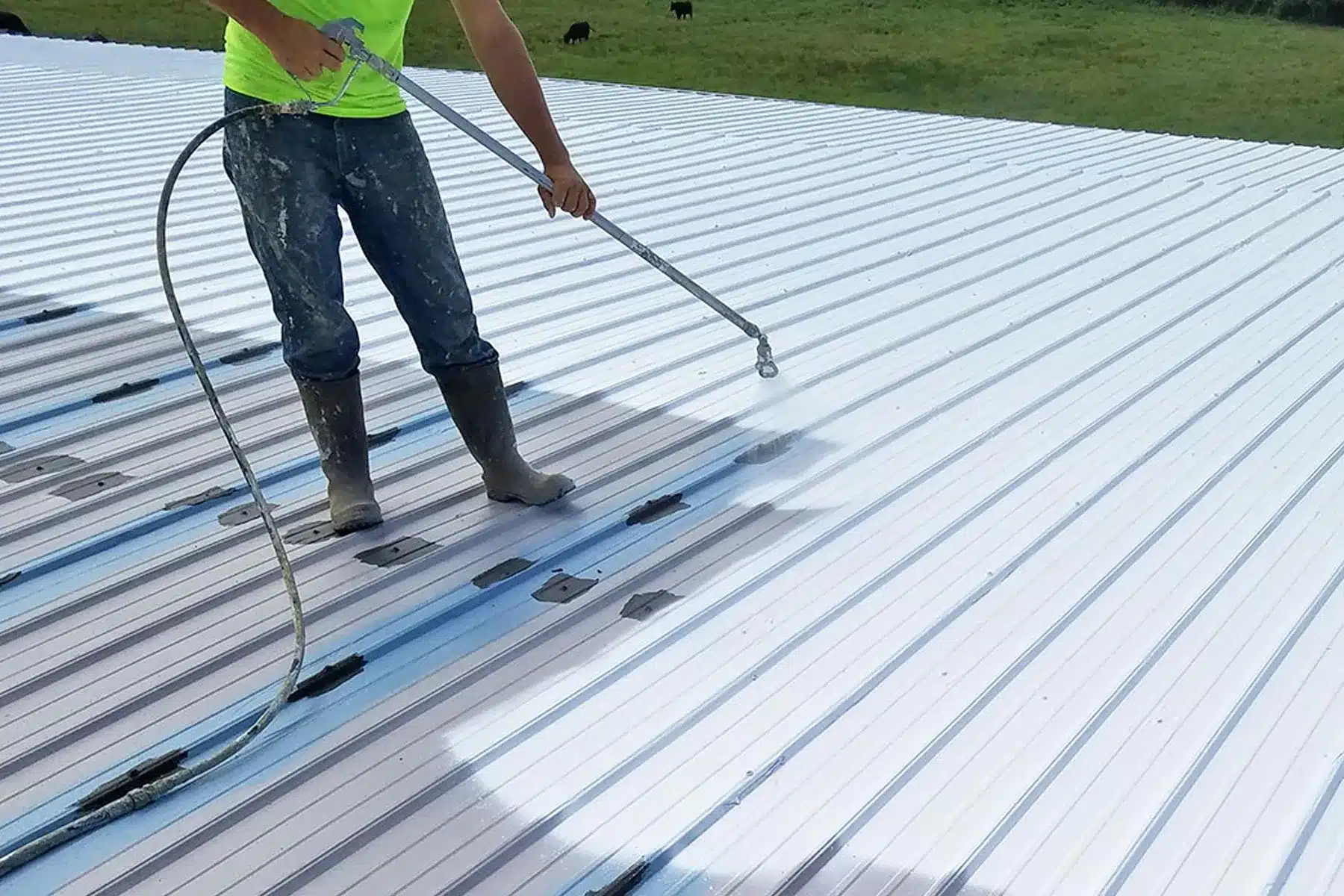
Commercial Roof Coatings

What We Do

Roof Repair

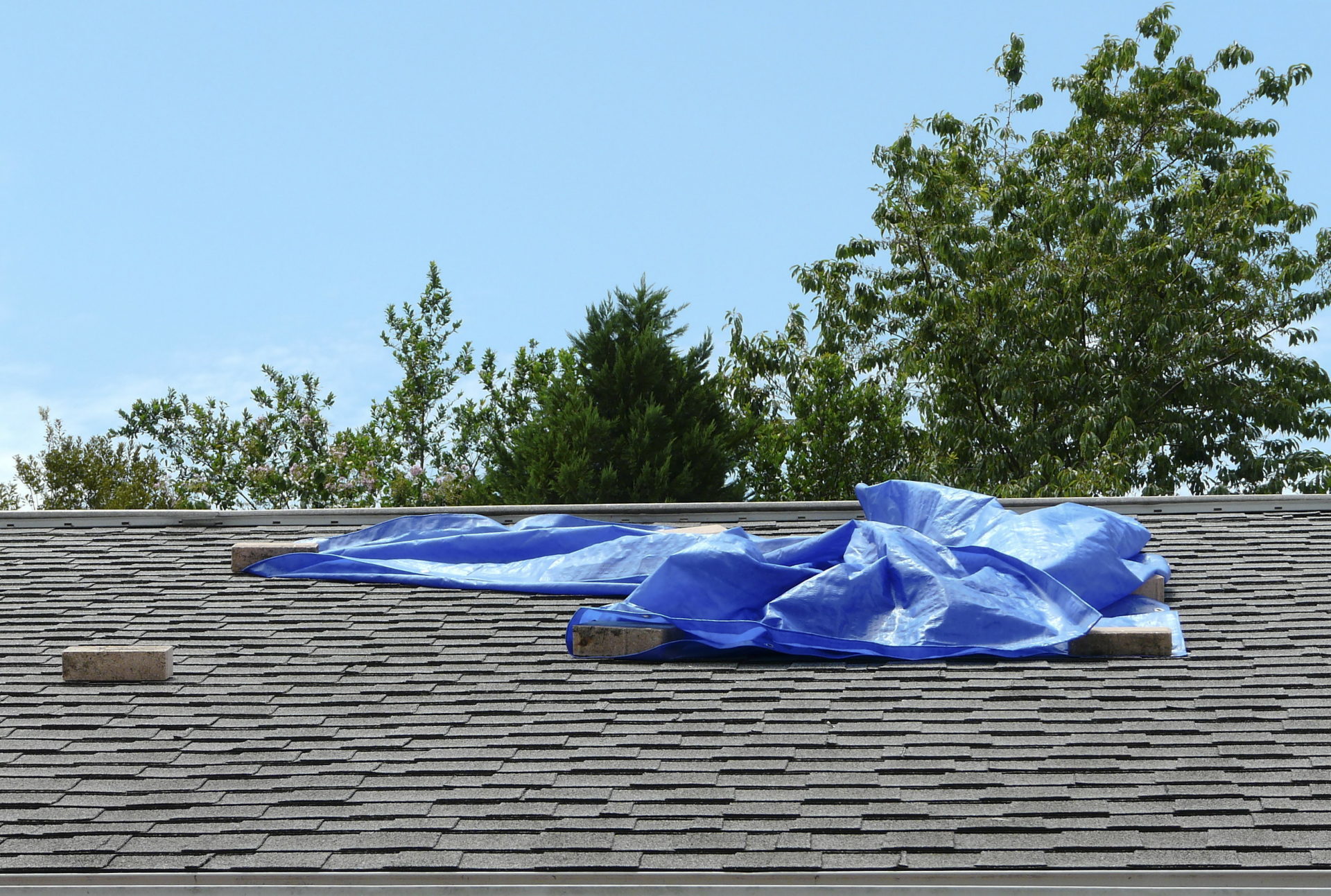
Leaks, wind damage, flashing failures, punctures, and open seams are documented before work starts. We prioritize stopping water, preserving useful roof life, and giving ownership photos and repair notes they can keep.

LEARN MORE

Why Indianapolis Owners Choose Us

Commercial roof service agreements

Stay ahead of leaks and budget surprises.

Routine roof visits keep drains, seams, flashings, rooftop traffic and old repair areas on one record. Property managers get faster response when a leak appears, plus a practical view of what to repair now and what to fund next.

Commercial Roof Inspection and Condition Report in Indianapolis

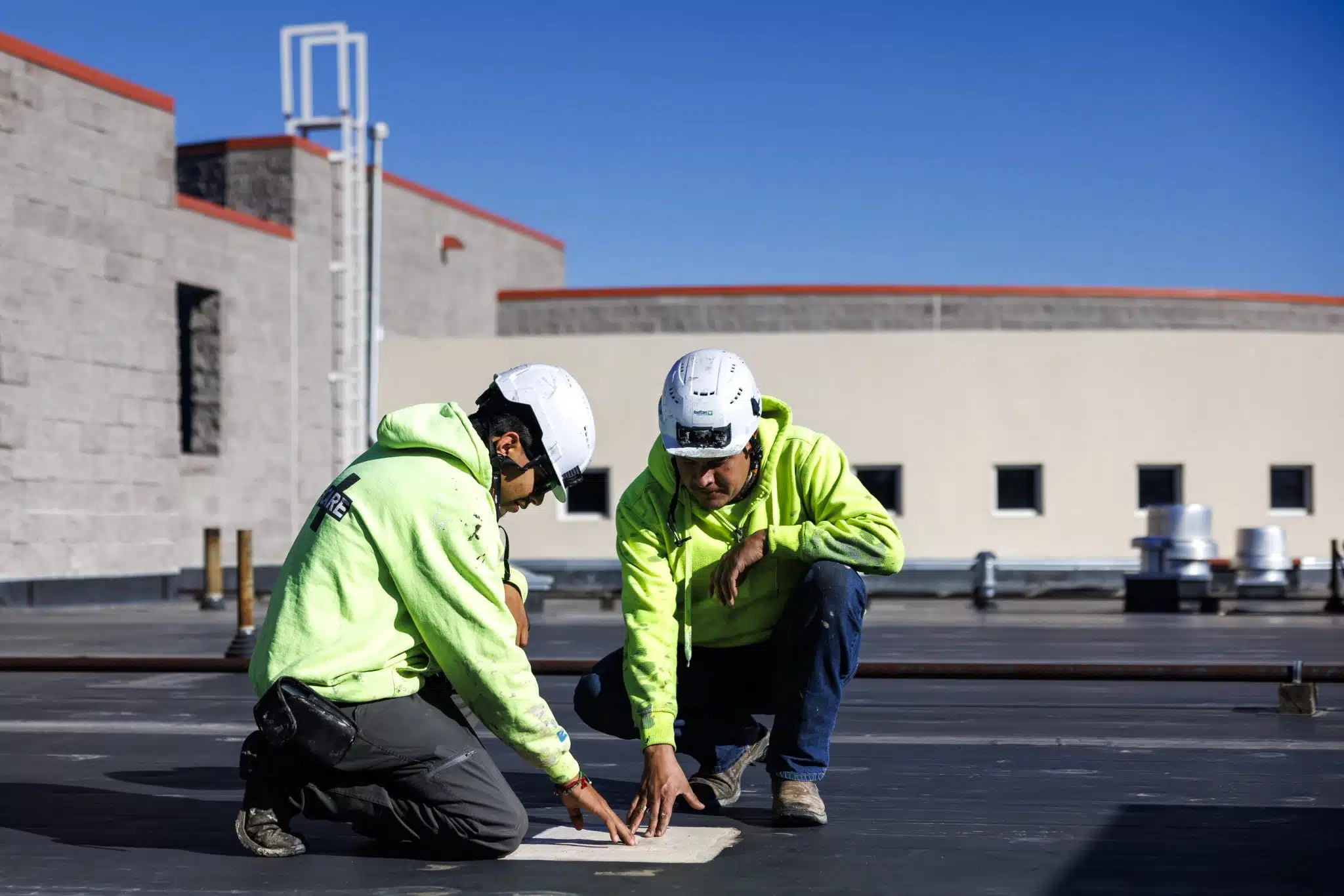
The inspection records membrane, seams, flashings, drains, penetrations, edge metal, moisture indicators, photographs, and practical next steps in a condition report. A commercial roof inspection in Indianapolis is not a walk-around with a clipboard — it is a documented condition assessment that tells a building owner exactly what is happening with their roofing system, identifies problems before they generate interior damage, and provides a written record that supports capital planning, insurance claims, manufacturer warranty maintenance, and property transactions. The value of a professional inspection is the documentation it produces, not just the findings communicated verbally. Every commercial roof inspection we conduct across Marion County and the broader Indianapolis metro delivers a written, photo-documented report that the owner can file, reference, and act on.

What a Commercial Roof Inspection Covers

A thorough commercial roof inspection on an Indianapolis building systematically evaluates the membrane system, flashings, drainage, penetrations, and deck structure (where accessible). Membrane evaluation covers seam condition, lap adhesion, surface wear, and any areas showing bubbling, ridging, or delamination that indicate substrate or installation problems. Flashing inspection covers parapet base flashings, counter-flashings, pitch pans, pipe boots, HVAC curb flashings, drain collar flashings, and wall-to-roof transitions — the highest-failure zones on any flat roof. Drainage assessment covers all interior drains, scupper openings, and overflow drains, documenting any that are slow, blocked, or impounding water. Penetration inventory records every rooftop penetration type, material, and flashing condition.

Types of Commercial Roof Inspections

Not all inspections serve the same purpose. Routine maintenance inspections (semi-annual) identify emerging problems while they are still small-repair items and generate the documentation required to maintain manufacturer warranty coverage. Pre-purchase due diligence inspections provide a buyer or lender with an independent condition assessment and estimated remaining life before closing on a commercial real estate transaction. Post-storm inspections document hail, wind, or impact damage in the format required for insurance claim submission. Warranty inspections verify that an installed system meets manufacturer installation standards at project completion. Condition-report inspections provide the baseline data for a multi-year capital forecast. We conduct all inspection types across the Indianapolis commercial market.

Indianapolis Climate and Inspection Timing

Central Indiana's climate makes the timing of commercial roof inspections matter. Spring inspection — ideally April or May after freeze cycles have ended — identifies winter damage: flashing separation from freeze-thaw movement, ice dam aftermath on low-slope sections with parapet-edge details, and drain conditions exposed by snowmelt saturation. Fall inspection — September or October before freeze cycles begin — identifies summer UV and storm damage, clears drains before freeze-block risk, and confirms that flashing sealants, pitch pans, and HVAC curb flashings are intact heading into winter. Buildings with manufacturer NDL warranties typically require documented semi-annual inspections to keep warranty coverage in force — a missed inspection can void coverage.

Infrared Moisture Surveys

Standard visual inspection cannot identify wet insulation within a flat-roof assembly — trapped moisture may be invisible at the membrane surface while actively degrading the insulation and approaching the deck below. Infrared thermography (thermal imaging) conducted in the correct atmospheric conditions — typically evening hours after a sunny day, when the roof surface is releasing absorbed heat differentially based on wet versus dry insulation — maps wet insulation area across the entire roof surface. This data is essential for the recover-vs-replace decision on aging Indianapolis commercial roofs: a roof with less than 25 percent wet insulation by area is typically a recover candidate; above 25 percent, teardown-and-replace is usually the cost-effective path. Infrared surveys are available as a supplement to standard visual inspection on qualifying roofs.

Documentation: What the Inspection Report Includes

Every commercial roof inspection we conduct in Indianapolis produces a written report with: building and roof system identification (address, system type, installation year, total area), a condition rating (good/fair/poor) with supporting rationale, a photo log keyed to a roof plan diagram showing the location of every identified condition, a ranked deficiency list separating immediate action items from deferred maintenance, and a recommended action scope with budget-range estimates for each item. Reports are formatted to support capital planning submissions, insurance documentation, and lender reporting requirements. Electronic delivery within five business days of inspection is standard.

What Building Owners Receive

Every inspection engagement delivers a written condition report with photo documentation, a ranked deficiency list with recommended actions, budget-range estimates, and a recommended inspection timeline for the next cycle. Reports are delivered electronically in PDF format. For multi-building portfolios, a summary table comparing condition across properties is included. For pre-purchase inspections, the report includes an estimated remaining service life and a 5-year and 10-year capital projection for the inspected system.

Frequently Asked Questions

How much does a commercial roof inspection cost in Indianapolis?

Commercial roof inspection fees in Indianapolis typically range from $350 to $750 for a single building inspection, depending on roof area and complexity (number of penetrations, drainage points, and access conditions). Infrared moisture surveys add to this cost and are priced per square foot of roof area surveyed. Multi-building portfolio inspections are priced on a per-building basis with a portfolio discount applied at three or more buildings. Pre-purchase due diligence inspections may carry a premium for expedited reporting turnaround. Inspection fees are separate from any repair or replacement work — we do not bundle inspection cost into project pricing.

Does my Indianapolis commercial building's roof warranty require regular inspections?

Most major manufacturer NDL (No Dollar Limit) warranty programs for commercial roofing require semi-annual inspections by a qualified contractor and documented maintenance to keep the warranty in force. Failure to complete and document required inspections can void warranty coverage on a claim — a common and costly surprise for Indianapolis building owners who assumed their warranty was active. We review the specific warranty terms for each building we inspect and provide documentation in the format required by the manufacturer's warranty maintenance program. If your warranty documentation is unavailable, we can typically identify the manufacturer and warranty tier from the installed system.

What happens after a hail storm — should I get my Indianapolis commercial roof inspected?

Yes — promptly. Hail damage on commercial flat roofs may not immediately produce visible leaks; hail fractures in single-ply membranes, granule loss on modified bitumen, and impact damage to metal flashings may only become apparent on subsequent rain events. Insurance claims for storm damage typically have filing windows (often one year from the storm date), and documentation gathered promptly after the event is more defensible than documentation gathered months later. A post-storm inspection documents hail strike density and damage extent in a format suitable for insurance claim submission and separates storm damage from pre-existing conditions that the insurer would otherwise dispute.

Build a roof record another decision-maker can use

For Local Roofers, the field file should capture roof-area plans, system and deck information, observed defects, photographs, moisture evidence, drainage, repair history, immediate priorities, budget assumptions, and recommended follow-up. Each note needs a roof-area reference so a photograph or recommendation can be found again after the visit. The field sequence is to divide the roof into usable zones, compare interior history with exterior conditions, inspect drainage and details, and record defects in a way another decision-maker can follow. Photographs should show context and detail, and test locations should explain what question was being answered and how the opening was closed. Temporary protection, permanent repair, routine maintenance, and capital recommendations belong in separate sections. This keeps a successful dry-in from being mistaken for the completed repair and lets competing proposals be compared on the same basis.

Do not force different roof systems into one repair assumption

Cool Roof Systems, TPO Roof Systems, and Silicone Roof Coating Systems can show a similar interior symptom while requiring different investigation and repair details. The observed assembly—not a generic flat-roof label—has to control the scope. Preparation and repair language must fit the substrate. Cleaning, drying, reinforcement, fastening, priming, welding, adhesion, and cure requirements should not be copied from one roof system to another without verification. A localized defect may be repairable while saturated insulation or chronic ponding changes the wider recommendation. That is why roof construction and moisture evidence must be connected to what needs action now, what can be maintained, what is eligible for restoration, and what belongs in a replacement budget.

Keep the occupied building in the scope

Building operations change how the same roof work is performed. On Fire Station Roofing, Pharma Life Sciences Roofing, or Logistics Roofing, access, interior sensitivity, security, and working hours can define the safe sequence. The pre-work review should locate safe access, occupied areas, shutdown constraints, fire or security procedures, rooftop equipment, pedestrian controls, and interior protection. The building contact should know which decisions are needed before mobilization. Operating controls are roof-quality controls. Water, debris, odor, noise, or an unsecured access point can harm the owner even when the installed detail itself is correct, so those risks need owners and closeout checks.

Use condition thresholds instead of sales pressure

Before pricing becomes the focus, ownership needs an answer to what needs action now, what can be maintained, what is eligible for restoration, and what belongs in a replacement budget. That answer should define the boundary between service work and a capital project. The option matrix should address present failure, remaining risk, investigation still required, installation disruption, anticipated service interval, and future maintenance. Unknown inputs should be visible rather than buried in an allowance. A smaller scope is not automatically prudent, and a larger scope is not automatically safer. The defensible option is the one whose boundaries match the documented condition and the owner's operating requirements.

Carry today's evidence into the next roof decision

The work becomes more valuable when it leads to a written repair, restoration, replacement, or service-agreement path tied to the inspection findings. A service call, inspection, and capital project should use one continuous property and roof-area history. For one building, that history makes the next visit faster and reveals whether a repair held. Across a portfolio, it lets ownership rank roofs by condition, operational risk, repair spending, and capital timing instead of reacting to the newest ceiling stain. Local Roofers can keep inspection and maintenance active while repair, restoration, or replacement moves through a separate project opportunity. The path remains response, evidence, the right scope, closeout, and the next scheduled roof decision.

Give the first call enough information to work

The first conversation about an active leak, repeated service calls, an acquisition review, a restoration decision, an approaching warranty milestone, or a budget that needs defensible roof priorities should establish the Indianapolis property address, contact on site, roof-access method, affected interior area, when water was first observed, whether entry is active, and any immediate safety concern. If the building has prior reports, warranties, repair invoices, roof plans, or known drain locations, those records can shorten the investigation. They should be treated as history to verify, not as proof that the present failure has the same cause. The response plan should match the reported condition without promising a cause, permanent repair, or arrival time that has not been verified. Dispatch clarity is valuable precisely because it avoids unsupported assumptions.

Make allowances and exclusions visible

The owner should see the boundary between the base scope and contingent work. That includes moisture limits, substrate repair, additional layers, damaged deck, blocked piping, inaccessible details, hazardous materials, and work by other trades. Schedule assumptions also belong beside price: weather windows, material lead time, permits, shutdowns, tenant coordination, daily dry-in, and access restrictions. An unexplained low number can become an expensive sequence of changes if these constraints are omitted. A reviewable proposal lets ownership compare boundaries, evidence, materials, quantities, disruption, and closeout—not just totals. The goal is a scope that remains understandable after the salesperson leaves the room.

Connect the roof problem to the building and weather

A Indianapolis roof review has to account for heavy thunderstorms, wind, freeze-thaw cycling, snow, and seasonal debris at drainage points. Those conditions affect access, observation timing, drying, and temporary protection before they affect the final recommendation. Start with the room, ceiling grid, equipment, wall line, and time of entry, then carry those coordinates to the roof. Comparing high and low points, rooftop details, prior patches, and flow paths is more reliable than standing over the first wet-looking surface. A durable scope begins by separating symptoms from causes. Record what was observed, what remains an inference, and what weather, access, equipment, overburden, or concealed construction prevented the crew from confirming.

Indianapolis decision checklist

  • Map the interior symptom to a named roof area before selecting a repair detail.
  • Record temporary measures separately from permanent work and list every open item.
  • Verify drainage, penetrations, walls, edges, earlier repairs, and transitions around the affected area.
  • State the observed roof assembly, unknown construction, access limits, and testing assumptions.
  • Connect the recommendation to repair, restoration, replacement, maintenance, or capital-planning thresholds.
  • Set the next inspection or follow-up date so the roof history continues after this visit.

Commercial roof decision questions

Does this condition automatically mean the roof must be replaced?

No. The review should establish what needs action now, what can be maintained, what is eligible for restoration, and what belongs in a replacement budget. Replacement becomes a defensible recommendation only when the field evidence, moisture, assembly condition, repair history, deck or attachment concerns, and lifecycle comparison support it.

What should the Indianapolis roof scope document?

It should document roof-area plans, system and deck information, observed defects, photographs, moisture evidence, drainage, repair history, immediate priorities, budget assumptions, and recommended follow-up. It should also label temporary and permanent work separately, state assumptions and exclusions, and identify the inspection or service step that follows the current scope.

How does an urgent call become a maintenance or capital plan?

The immediate visit creates the first roof-area record. A follow-up inspection establishes condition and priorities. Completed repairs, recurring observations, drain service, warranties, and future recommendations are then retained so maintenance stays scheduled and larger work can be placed into the appropriate capital year.

From service call to roof plan

Use the next decision, not the biggest sale.

Stabilize the problem, document the roof, compare the viable paths, and keep the resulting roof history active.

Request commercial roof help

Repair History That Travels

Keep photos, roof zones and recurring trouble spots ready for the next service call.

Clear Capital Priorities

Separate active repair needs from coating, recover and replacement budgets.