The scope documents leak sources, repair boundaries, photos, and priorities so Indianapolis owners can separate immediate stabilization from longer-term capital work. Targeted commercial roof repair for Indianapolis buildings — leak diagnosis, flashing replacement, drain repair, and penetration resealing backed by written scopes and warranty-compliant materials.
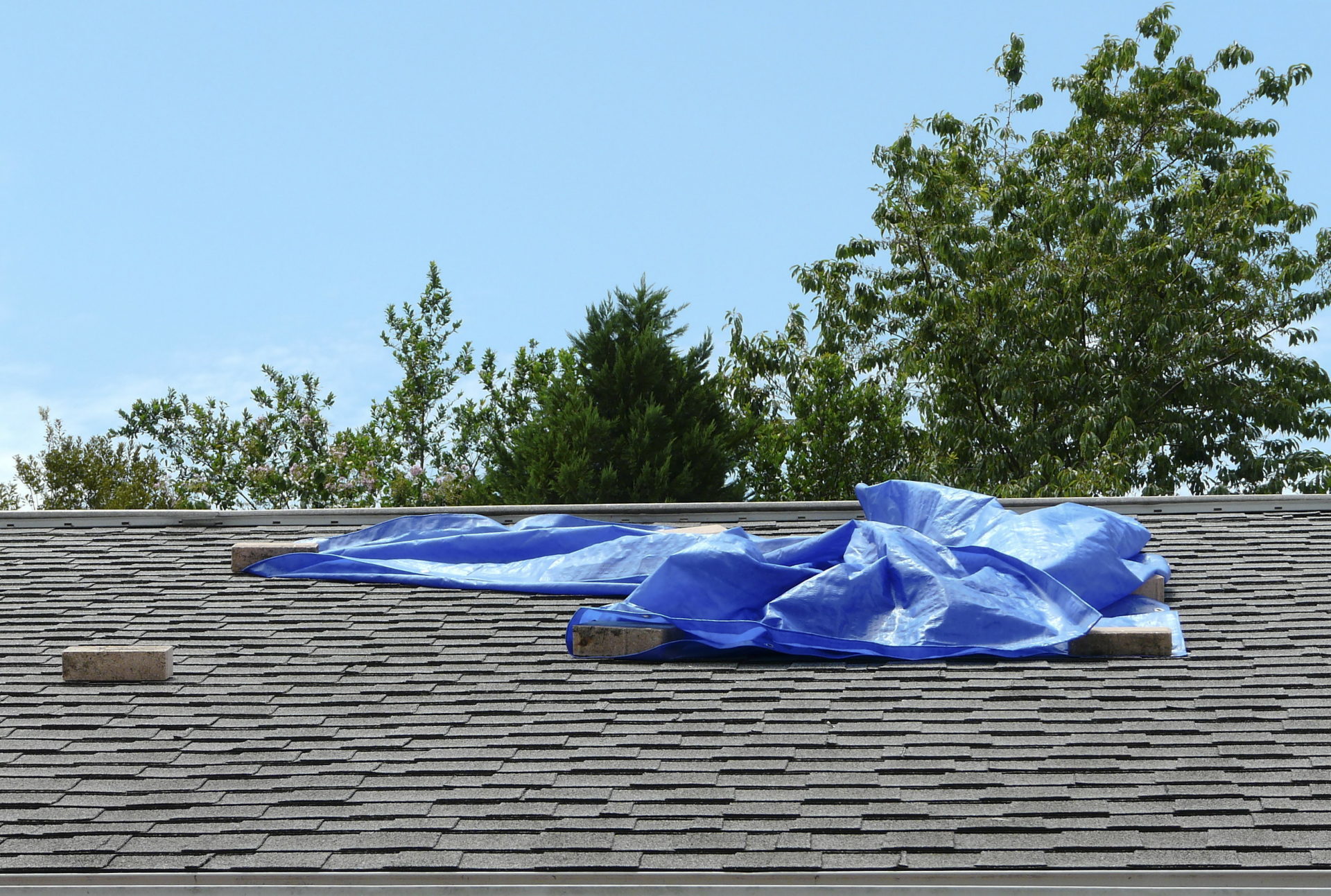
Commercial flat roof repair in Indianapolis demands a different approach than residential roofing: the leak source is rarely where the water appears inside the building, the system involves multiple layers that each have to be assessed independently, and a repair that doesn't address the root cause will be followed by the next call in one or two seasons. Commercial Roofers Indianapolis performs targeted repair for commercial buildings across Marion County — leak diagnosis, flashing replacement, drain repair, and penetration resealing — backed by written scope and a documented repair warranty. We do not recommend replacement on roofs that can be viably repaired, and we do not patch symptoms on roofs that need replacement.
Finding the source of a commercial roof leak requires systematic investigation, not assumption. Water that appears at a ceiling tile on the east side of a building may have entered the roof membrane on the west side of the same roof section and tracked through the insulation for 20 feet before finding a path to the interior. We begin every repair engagement with a documented diagnosis: interior mapping of the leak location, visual inspection of the roof surface directly above and upslope from the interior damage, investigation of all flashings, penetrations, and seams in the suspect zone, and — where the source isn't visually obvious — infrared scanning or flood testing to confirm entry point. We write the scope after we know what we're fixing, not before.
The majority of commercial roof repairs across Indianapolis commercial buildings fall into four categories. Flashing failures at parapet walls, curbs, and penetrations account for roughly 60 percent of the repair calls we receive — the combination of freeze-thaw movement and thermal cycling separates base flashings from wall substrates and opens counter-flashing reglets. Seam failures in single-ply membranes — particularly in older 45-mil EPDM where adhesive bonding has degraded — represent another large portion. Drain failures, including cracked drain bodies, missing strainer baskets, and improperly terminated drain flanges, are common on older Marion County commercial buildings where original equipment-grade drains were installed. Penetration failures — where HVAC curbs, pipe boots, and vent flashings have separated from the field membrane — are the fourth major category, particularly on roofs with heavy mechanical equipment serviced frequently by HVAC technicians who don't always close what they open.
Central Indiana's storm pattern produces a predictable repair season. Spring hail events — Indianapolis averages several significant hail events per year — create puncture damage in EPDM and membrane bruising in TPO that may not manifest as active leaks until the following winter's first freeze drives water into stressed areas. Summer thunderstorms with wind-driven rain test every open flashing and unsealed penetration on the building. The freeze-thaw cycle of November through March opens conditions that were marginal going into fall into active failures by February. We recommend that Indianapolis building owners schedule a documented inspection in the fall — before freeze season — so that conditions that will become winter emergencies can be addressed while the weather still cooperates for quality repair work.
Not every repair call results in a repair recommendation. When we arrive at a building and find that the membrane is globally deteriorated — brittle EPDM that cracks when manipulated, BUR flood coat that has lost its aggregate bond across large areas, or TPO with failed seams at multiple locations across the field — a targeted repair is not a cost-effective path. We tell the owner that honestly, with documentation, and give them a replacement cost estimate alongside the repair estimate so they can make the decision with accurate information. We do not sell replacement on roofs that can be viably repaired, and we do not sell repairs on roofs where repair will not solve the problem.
All repair work on Indianapolis commercial buildings uses materials compatible with the existing membrane system — TPO patches heat-welded to existing TPO, EPDM patches adhered with EPDM bonding adhesive, modified bitumen flashing plies torched or cold-adhered over existing modified bitumen base. We do not use generic caulk or roofing cement as a long-term repair solution on commercial membrane systems; these materials fail within one to three Indiana winters and mask conditions that need proper repair. Flashing replacement uses sheet metal flashing with standing-seam termination bars and compatible sealant. Drain repairs include re-flanging or replacing the drain body as warranted rather than caulking a cracked flange.
Every commercial repair in Indianapolis closes with a written scope documenting what was found, what was done, and what materials were used, plus before-and-after photography keyed to a roof plan. We provide a written repair warranty — typically one to two years on targeted repairs — that covers the specific work performed. For buildings in our maintenance program, repair documentation is added to the building's condition file and referenced at the next maintenance visit.
Tell us about the building and the roof problem. We'll document it and put a plan in writing — with an honest repair-vs-replace recommendation and no upsell pressure.
Get a Roof Assessment →
Commercial & industrial roofing across Central Indiana — documented scopes, honest priorities, and roofs scoped to how your operation runs.