

COMMERCIAL & INDUSTRIAL ROOFING IN INDIANAPOLIS, IN

Commercial Roofing Help for Indianapolis Buildings

Emergency repairs, flat roof inspections, coatings, reroofing and ongoing service for commercial properties across Central Indiana.

COMMERCIAL ROOFING ACROSS CENTRAL INDIANA Commercial roof repair, replacement, coatings, maintenance programs, inspections, and condition reports for owners and facility teams across Indianapolis.

Commercial Roof Condition Reporting

Commercial Roofers Indianapolis helps Indianapolis property teams decide from documented roof conditions, not guesswork.

We document the roof, separate urgent repair from capital replacement, and put a written plan in your hands.

ABOUT US
Commercial roof leak in Indianapolis?

Call now to control the water, document the source and set the next repair step.

Call (317) 953-5276
Flat roof replacement inspection

Find out what the roof needs before you price the job.

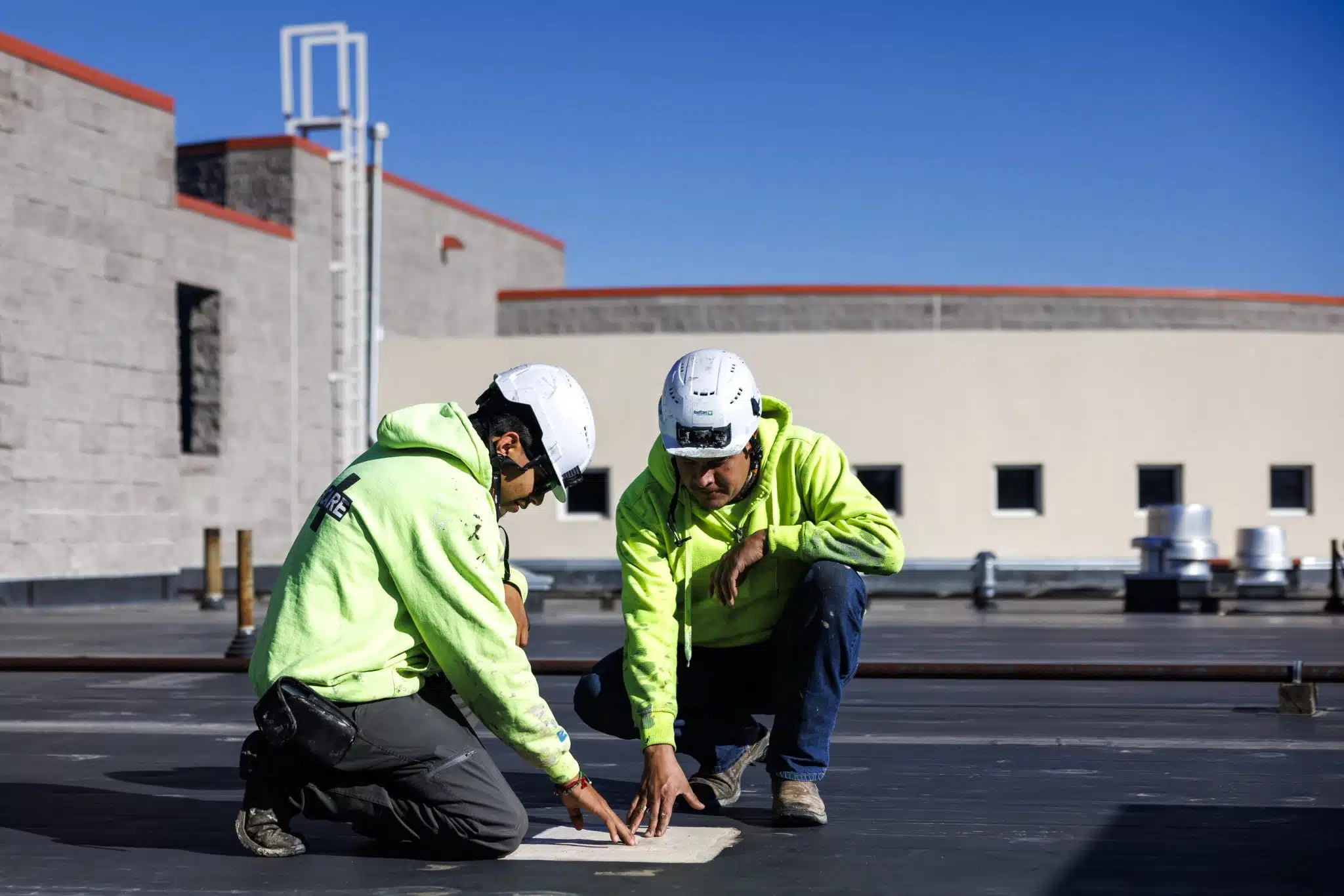
A replacement decision should start with the roof in front of you. We review membrane condition, seams, penetrations, drainage, past repairs and signs of trapped moisture, then document what can be repaired and what has reached the end of its useful life.

The result is a clear choice between targeted repair, restoration coating, recover or full replacement. Your team gets a written scope it can budget, bid and defend.

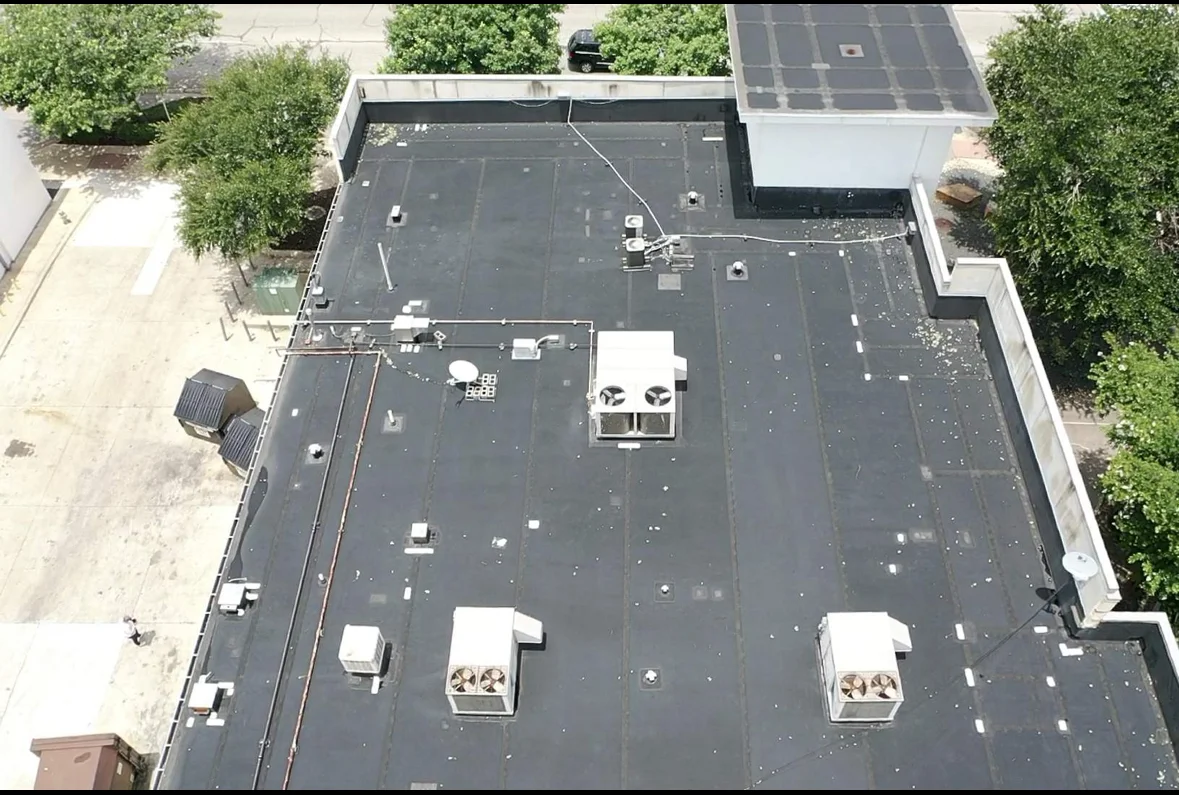
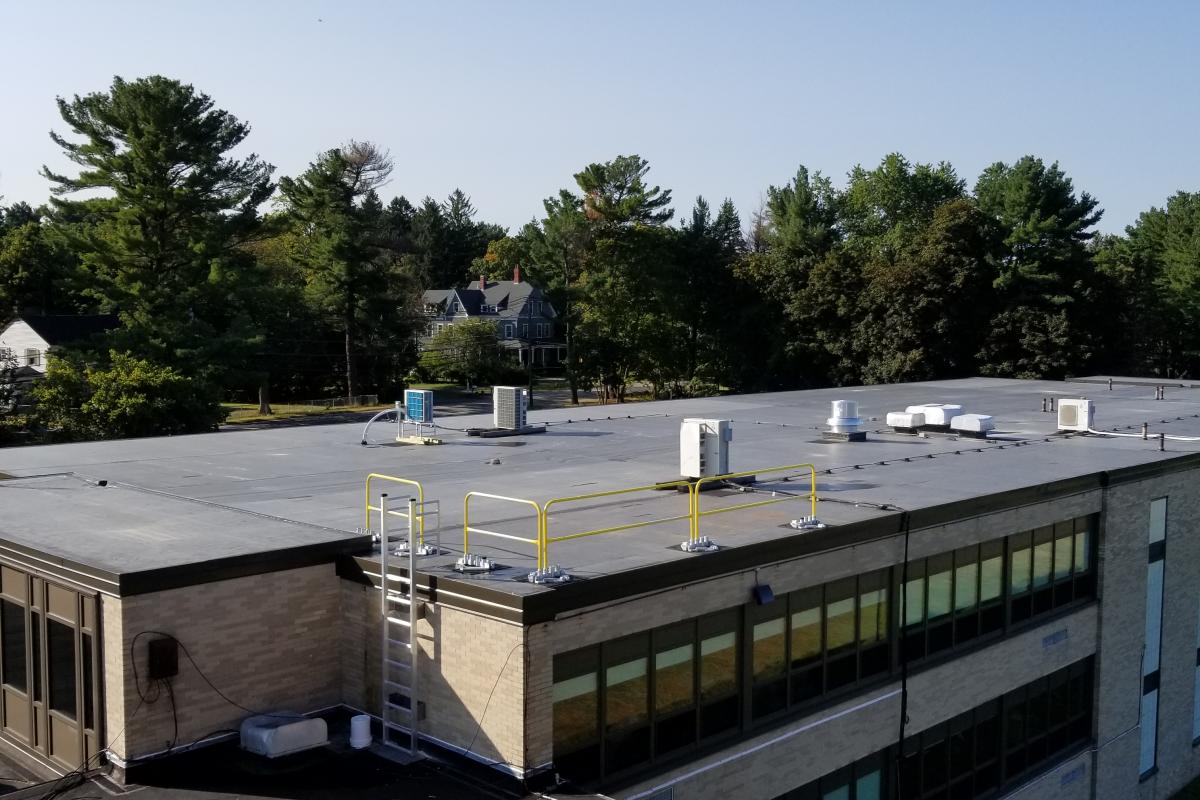
Flat roof replacement inspection on an Indianapolis commercial building

Featured Commercial Roof Work

Logistics & Distribution Roofing

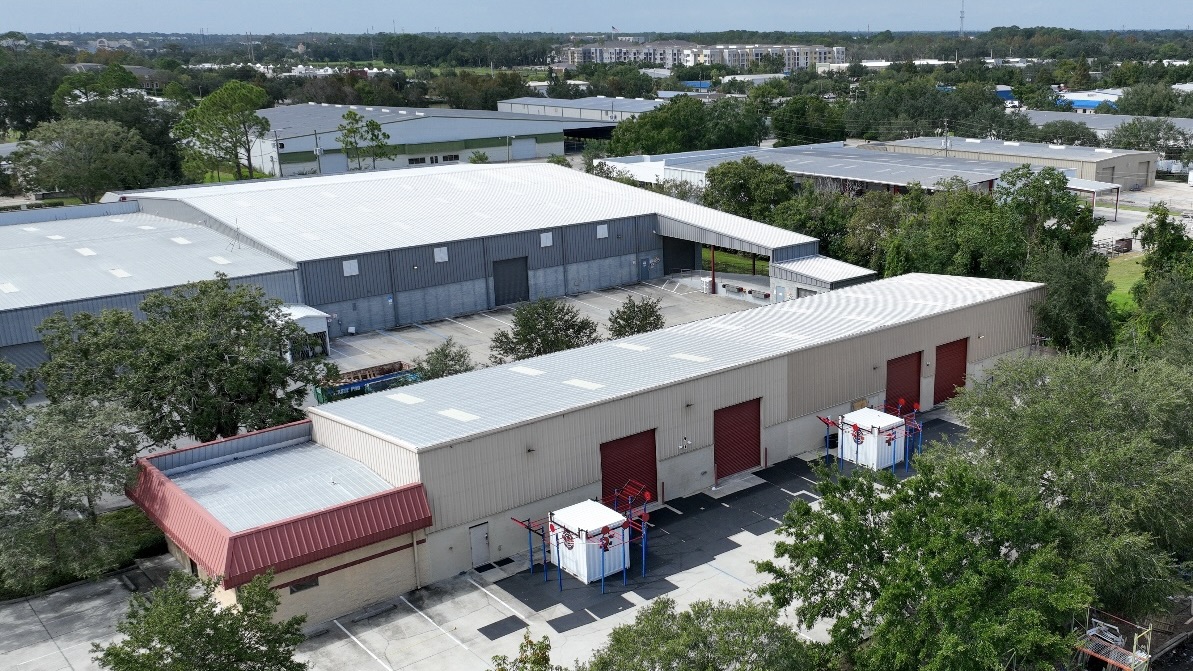
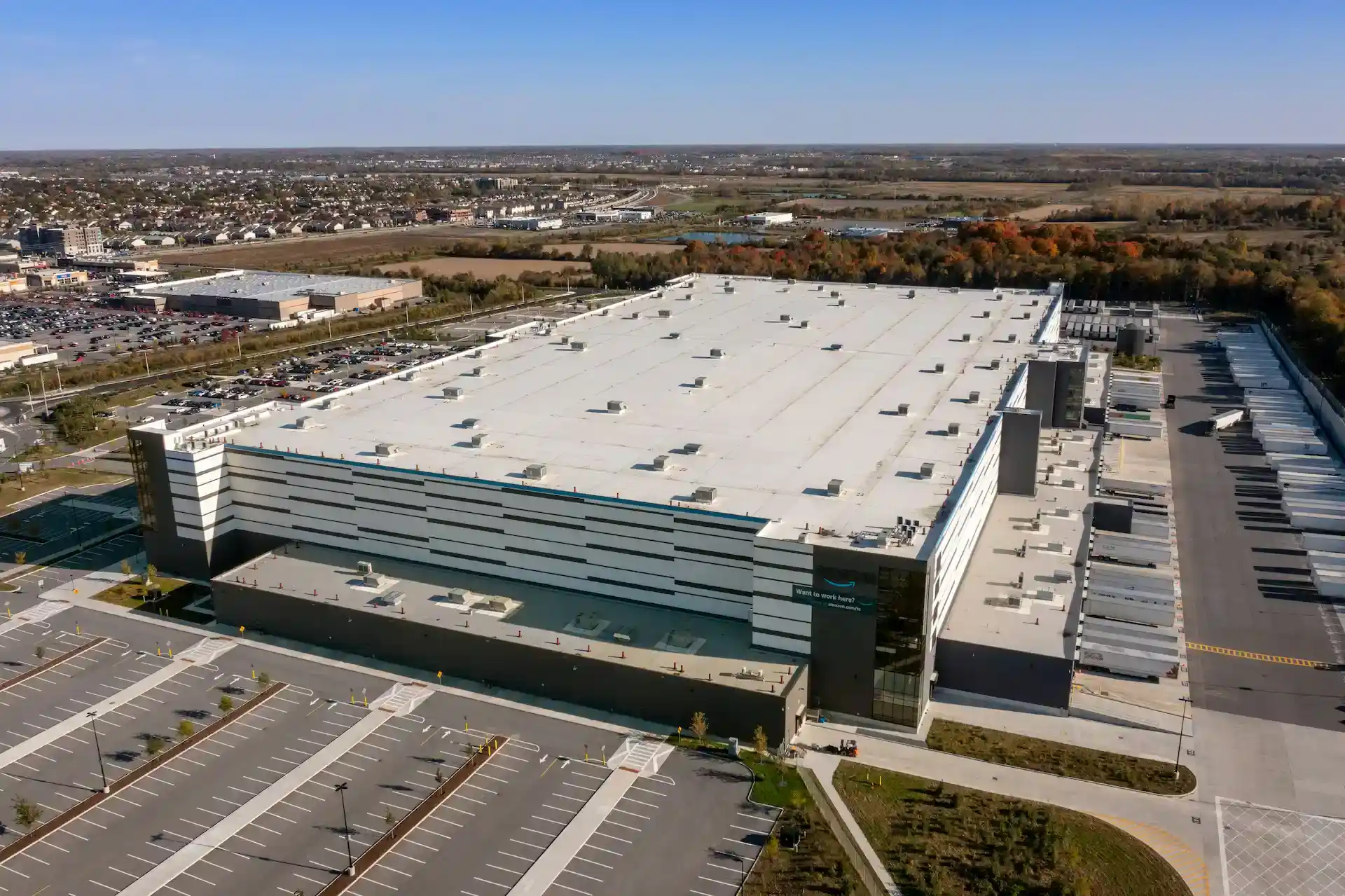
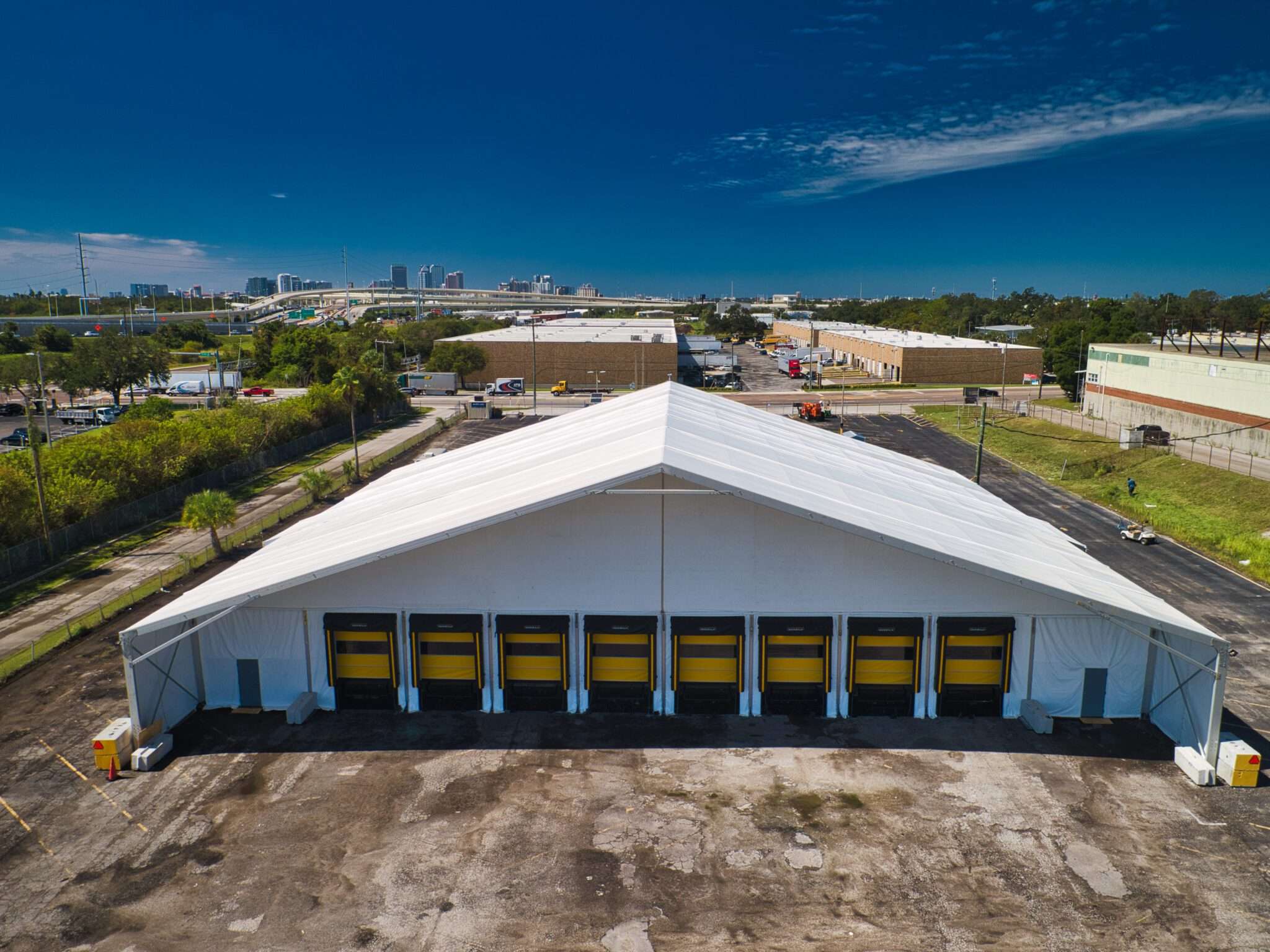
Large-footprint warehouse, distribution, and logistics roofs around I-70, Plainfield, Whitestown, and the Indianapolis airport cargo corridor need scopes built around uptime, drainage, and access.

LEARN MORE
Warehouse Roofing

Warehouse Roofing

Commercial Roof Repair

Commercial Roof Repair

Roof Replacement

Roof Replacement

TPO Roofing

TPO Roofing

Roof Coatings

Roof Coatings

Emergency Roof Repair

Emergency Roof Repair

Roof Maintenance

Roof Maintenance

Roof Inspections

Roof Inspections

Recent Indianapolis Roof Projects

Logistics & Distribution Roofing

Large-footprint warehouse, distribution, and logistics roofs around I-70, Plainfield, Whitestown, and the Indianapolis airport cargo corridor need scopes built around uptime, drainage, and access.

LEARN MORE
Warehouse Roofing

Warehouse Roofing

Commercial Roof Repair

Commercial Roof Repair

Roof Replacement

Roof Replacement

TPO Roofing

TPO Roofing

Roof Coatings

Roof Coatings

Emergency Roof Repair

Emergency Roof Repair

Roof Maintenance

Roof Maintenance

Roof Inspections

Roof Inspections

Logistics and Industrial Roofing

BUILT FOR CENTRAL INDIANA COMMERCIAL ROOFS.

Our roots and community involvement run deep around Central Indiana, which provides us with a unique historical perspective of where the Market has been, and more importantly, where it’s going.

We seek opportunities that represent the future of the way people want to work, innovate, and create. Our due diligence and underwriting is completed with rigorous data and financial analysis but is supported by our knowledge and experience.

Our Approach

Commercial Re-Roofing
Commercial Roof Coatings

What We Do

Roof Repair

Leaks, wind damage, flashing failures, punctures, and open seams are documented before work starts. We prioritize stopping water, preserving useful roof life, and giving ownership photos and repair notes they can keep.

LEARN MORE

Why Indianapolis Owners Choose Us

Commercial roof service agreements

Stay ahead of leaks and budget surprises.

Routine roof visits keep drains, seams, flashings, rooftop traffic and old repair areas on one record. Property managers get faster response when a leak appears, plus a practical view of what to repair now and what to fund next.

Commercial Roof Leak Repair in Indianapolis

Commercial flat roof leaks in Indianapolis follow a predictable pattern: they appear at the worst possible time — during a spring storm, mid-week, with tenants, merchandise, or equipment below — and the source is rarely where the interior water stain appears. Water on a flat roof travels horizontally under the membrane before finding an exit point, which means the visible interior damage may be feet or yards away from the actual membrane breach. Effective commercial roof leak repair in Marion County requires a systematic diagnosis process that finds the true source, not just patches the nearest visible damage.

Root-Cause Leak Diagnosis

Leak diagnosis on Indianapolis commercial flat roofs begins with a structured inspection that works from the interior out. Interior water stain location, stain pattern (drip point, running stain, diffuse seepage), and timing relative to rain events are the first data inputs. From the rooftop, the inspection prioritizes the statistically highest-failure locations for the identified roof system type: flashing at HVAC curbs and penetrations (most common on all system types), lap seam adhesion (common on aging mechanically attached TPO and EPDM), drain collar flashings (common on all systems with interior drains), pitch pan fill (common on buildings with older bituminous pitch pans), and parapet base flashing termination (common on older buildings with multiple prior repair layers). The goal is written documentation of the identified source before any repair work begins.

Common Leak Sources on Indianapolis Commercial Roofs

The majority of commercial flat roof leaks in Indianapolis trace to a handful of recurring failure modes. HVAC curb flashings fail as the membrane base flashing separates from the wall of the curb — a common failure mode on mechanically attached single-ply systems where the curb flash is under tension from the base sheet. Pipe penetration flashings fail when pitch pan fill shrinks and cracks or when pipe boot seals age. Drain collar flashings fail when the bonding adhesive between the membrane and the metal drain collar ages or when the drain body is disturbed by maintenance activity. Field seam separation occurs on aging mechanically attached TPO and EPDM systems, particularly at low points where ponding water accelerates adhesive degradation. Each failure mode requires a specific repair approach — not a generic caulk patch.

Fixed-Price Repair vs. Replacement Upsell

A significant portion of commercial roof leak calls in Indianapolis result in a contractor recommending full roof replacement when targeted repair would resolve the problem and extend useful system life by 5 to 10 years. This replacement-upsell pattern is frustrating and expensive for building owners who have a structurally sound system with isolated failures. Our approach: if the system has sound membrane in the majority of field area, sound core insulation (confirmed by core pull or infrared survey), and leaks that trace to defined, repairable sources, we will recommend and scope targeted repair. We only recommend replacement when condition data supports it — wet insulation above threshold, widespread seam failure, membrane brittleness that makes patch adhesion unreliable.

Indianapolis Weather and Leak Emergency Response

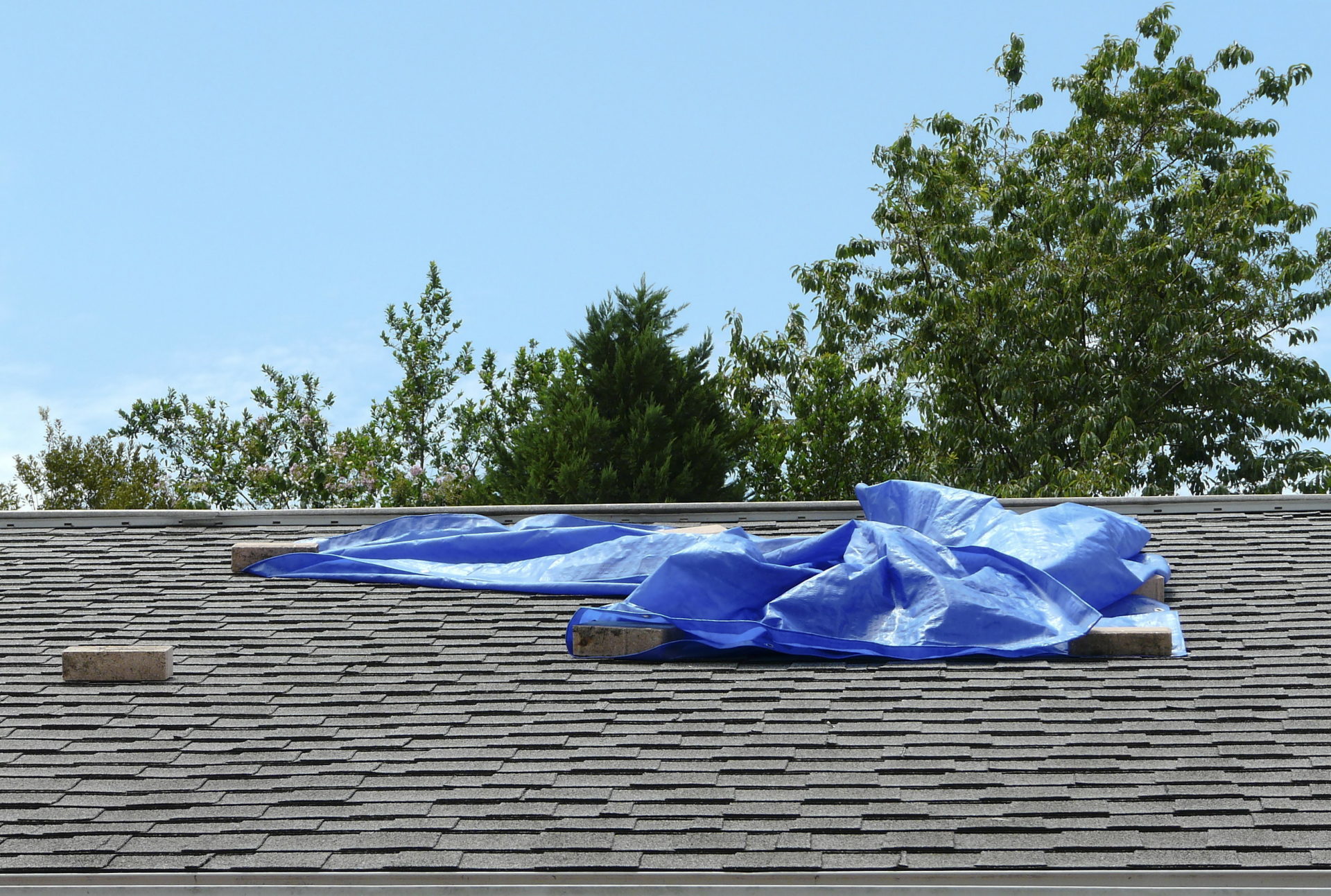
Central Indiana spring storm season — March through June — generates the highest volume of commercial roof leak emergencies in the Indianapolis market. Midwest severe weather events (heavy rain, hail, high wind) can create sudden large-area membrane failures that require immediate dry-in response to prevent interior damage. We provide same-day emergency response for commercial roof leak emergencies across Marion County and the surrounding metro. Emergency response includes tarping or membrane patching to stop active water entry, an interior damage assessment, and written documentation of storm-caused conditions — critical if an insurance claim will follow.

Repair Documentation and Written Scope

Every commercial roof leak repair we complete in Indianapolis is backed by written documentation: a pre-repair condition report identifying the source and failure mode, a written scope of work with materials specified by type and manufacturer, and a post-repair photo log confirming the completed work. This documentation serves multiple purposes: it gives the owner a record of what was repaired and what was observed, it supports warranty claims on in-warranty systems, and it provides baseline data for ongoing maintenance planning. We do not deliver verbal-only repair conclusions on commercial properties.

What Building Owners Receive

Every roof leak repair engagement delivers: a written root-cause diagnosis report with the identified source location, a written scope of work with materials specified, a fixed-price repair quote (no open-ended time-and-material billing on defined repairs), post-repair photo documentation, and a workmanship warranty in writing. If the inspection identifies additional conditions beyond the immediate leak source, these are documented separately with budget-range estimates — the owner decides what to address and when, without bundled upsells.

Frequently Asked Questions

How do I find the source of a leak on my Indianapolis commercial flat roof?

Finding the source of a commercial flat roof leak requires systematic inspection that works from the interior observation (stain location, stain pattern, drip point) to rooftop evaluation of the statistically likely failure zones for the identified roof system. The interior stain point is often not directly below the membrane breach — water travels laterally on a flat roof before finding an exit. A professional inspection maps the interior damage, identifies the roof system type, and systematically evaluates the highest-failure locations to find the source. Water testing (flooding specific membrane areas with a garden hose while watching the interior) is a secondary technique for locating elusive leaks when visual inspection is inconclusive.

How much does commercial roof leak repair cost in Indianapolis?

Commercial flat roof leak repair costs in Indianapolis depend entirely on the repair scope. Single-penetration flashing repairs (resealing a pipe boot or pitch pan) typically run $350 to $750. HVAC curb flashing replacement runs $500 to $1,500 per curb depending on size and system type. Field seam repairs on TPO or EPDM systems run $150 to $400 per linear foot of affected seam. Drain collar replacement runs $400 to $900 per drain. The correct scope depends on what the inspection finds. We provide a fixed-price written quote after inspection — not a time-and-material estimate that grows unpredictably.

Does my roof warranty cover commercial leak repair in Indianapolis?

Whether a manufacturer warranty covers a specific leak depends on the warranty type, the cause of the leak, and whether the building owner has maintained the warranty through documented inspections. NDL (No Dollar Limit) manufacturer warranties cover material and labor for qualifying defects but typically exclude damage caused by building movement, unauthorized rooftop activity, or maintenance neglect. Workmanship warranties cover installation defects for a defined period (typically 2 to 5 years) and are provided by the installing contractor. We review available warranty documentation before repair, identify whether the leak condition is a potential warranty claim, and assist with warranty claim submission on in-warranty systems.

Roof-system details change the diagnosis

EPDM Roof Systems, Modified Bitumen Systems, and TPO Roof Systems can show a similar interior symptom while requiring different investigation and repair details. The observed assembly—not a generic flat-roof label—has to control the scope. Record membrane type, surfacing, insulation and cover-board clues, attachment, flashings, penetrations, edges, and earlier repairs. If the assembly cannot be confirmed visually, say so and define the core or document review needed to confirm it. A localized defect may be repairable while saturated insulation or chronic ponding changes the wider recommendation. That is why roof construction and moisture evidence must be connected to whether the defect is isolated, whether trapped moisture changes the scope, and whether continued spot repair remains defensible.

Plan access, interiors, tenants, and daily dry-in

Fire Station Roofing, Pharmaceutical Lab Roofing, and Senior Living Facility Roofing do not share the same interruption tolerance. The roof scope should be written around the occupied property as well as the exterior defect. Document roof access, sensitive rooms and inventory, deliveries, public entrances, tenant hours, exhausts and air intakes, interior evidence, and the route used to move tools and debris. These conditions belong in the written scope before scheduling. Operating controls are roof-quality controls. Water, debris, odor, noise, or an unsecured access point can harm the owner even when the installed detail itself is correct, so those risks need owners and closeout checks.

Separate immediate service from capital work

The recommendation must answer whether the defect is isolated, whether trapped moisture changes the scope, and whether continued spot repair remains defensible. An isolated repair, repair program, restoration, recover assembly, and full replacement solve different condition patterns and should not be presented as interchangeable price levels. Compare the distribution of wet materials, attachment and deck concerns, drainage, detail density, repair frequency, disruption, expected ownership period, energy goals, code assumptions, and warranty requirements. Cost without those differences is not a lifecycle comparison. Ownership should be able to see why a roof can be maintained, why it qualifies for restoration, or why removal is necessary. The report earns that conclusion through field evidence rather than sales urgency.

The handoff should survive the service call

The work becomes more valuable when it leads to an inspection that separates an isolated repair from restoration, recover, or replacement planning. A service call, inspection, and capital project should use one continuous property and roof-area history. The record should support both field work and management review. Technicians need locations and prior details; ownership needs priorities, open risk, completed spending, next inspection dates, and a defensible future sequence. Recurring service should not disappear when a capital project begins. Local Roofers can preserve the agreement and roof history while larger work is scoped, completed, closed out, and returned to inspection status.

Collect the details that shape safe dispatch

A useful intake for Local Roofers identifies who can grant access, where water is entering, what operations are affected, whether electrical or ceiling hazards exist, how the symptom changes with weather, and which roof records or photographs are available. If the building has prior reports, warranties, repair invoices, roof plans, or known drain locations, those records can shorten the investigation. They should be treated as history to verify, not as proof that the present failure has the same cause. That intake determines whether the immediate need is interior protection, controlled roof access, weather-limited stabilization, drainage attention, or a scheduled diagnostic visit. It also gives the crew a safer and more focused starting point.

Define scope and pricing boundaries

A proposal should distinguish verified quantities from allowances and investigation from construction. Roof area, repair limits, test cuts, wet-material removal, deck repair, drain work, equipment coordination, and interior protection can carry different pricing certainty. Schedule assumptions also belong beside price: weather windows, material lead time, permits, shutdowns, tenant coordination, daily dry-in, and access restrictions. An unexplained low number can become an expensive sequence of changes if these constraints are omitted. Closeout requirements should be priced as part of the work: final photographs, repair locations, warranty or material records, open punch items, and the next recommended inspection. Those documents keep the completed scope connected to the roof plan.

Why local exposure changes the field plan

Weather around Indianapolis, IN combines heavy thunderstorms, wind, freeze-thaw cycling, snow, and seasonal debris at drainage points. The timing of that exposure can reveal a weak detail, yet the weather event and the leak source are not automatically the same thing. The review should connect the time and location of water entry with roof zones, elevations, drainage paths, and construction transitions. That map helps distinguish one isolated defect from several conditions activated by the same rainfall. The first service call should create evidence that remains useful after the immediate problem is gone. Record what was observed, what remains an inference, and what weather, access, equipment, overburden, or concealed construction prevented the crew from confirming.

Document the condition before choosing the scope

The core deliverable is a record of the affected interior zone, roof-area map, repair history, membrane condition, wet-area indicators, photographs, test locations, and the exact limits of the proposed repair. Local Roofers should be able to hand that record to ownership, a facility manager, or another contractor without a separate verbal explanation. During the visit, the technician should trace the water path from the interior evidence back through roof elevations, seams, penetrations, curbs, walls, edges, and drains instead of sealing the first suspicious detail. Wide views, detail views, measurements, markings, and interior references make the findings reproducible instead of dependent on memory. Observed facts, recommended actions, completed work, and open items should never share one unlabeled list. Separating them lets an off-site approver see exactly what was authorized and what still needs a decision.

Indianapolis decision checklist

  • Map the interior symptom to a named roof area before selecting a repair detail.
  • Record temporary measures separately from permanent work and list every open item.
  • Verify drainage, penetrations, walls, edges, earlier repairs, and transitions around the affected area.
  • State the observed roof assembly, unknown construction, access limits, and testing assumptions.
  • Connect the recommendation to repair, restoration, replacement, maintenance, or capital-planning thresholds.
  • Set the next inspection or follow-up date so the roof history continues after this visit.

Commercial roof decision questions

Does this condition automatically mean the roof must be replaced?

No. The review should establish whether the defect is isolated, whether trapped moisture changes the scope, and whether continued spot repair remains defensible. Replacement becomes a defensible recommendation only when the field evidence, moisture, assembly condition, repair history, deck or attachment concerns, and lifecycle comparison support it.

What should the Indianapolis roof scope document?

It should document the affected interior zone, roof-area map, repair history, membrane condition, wet-area indicators, photographs, test locations, and the exact limits of the proposed repair. It should also label temporary and permanent work separately, state assumptions and exclusions, and identify the inspection or service step that follows the current scope.

How does an urgent call become a maintenance or capital plan?

The immediate visit creates the first roof-area record. A follow-up inspection establishes condition and priorities. Completed repairs, recurring observations, drain service, warranties, and future recommendations are then retained so maintenance stays scheduled and larger work can be placed into the appropriate capital year.

From service call to roof plan

Use the next decision, not the biggest sale.

Stabilize the problem, document the roof, compare the viable paths, and keep the resulting roof history active.

Request commercial roof help

Repair History That Travels

Keep photos, roof zones and recurring trouble spots ready for the next service call.

Clear Capital Priorities

Separate active repair needs from coating, recover and replacement budgets.