Roofing for banks and financial buildings in Indianapolis, IN. We handle small high-visibility flat roofs, drive-through canopies, and branches that cannot close, from Monument Circle to Keystone.
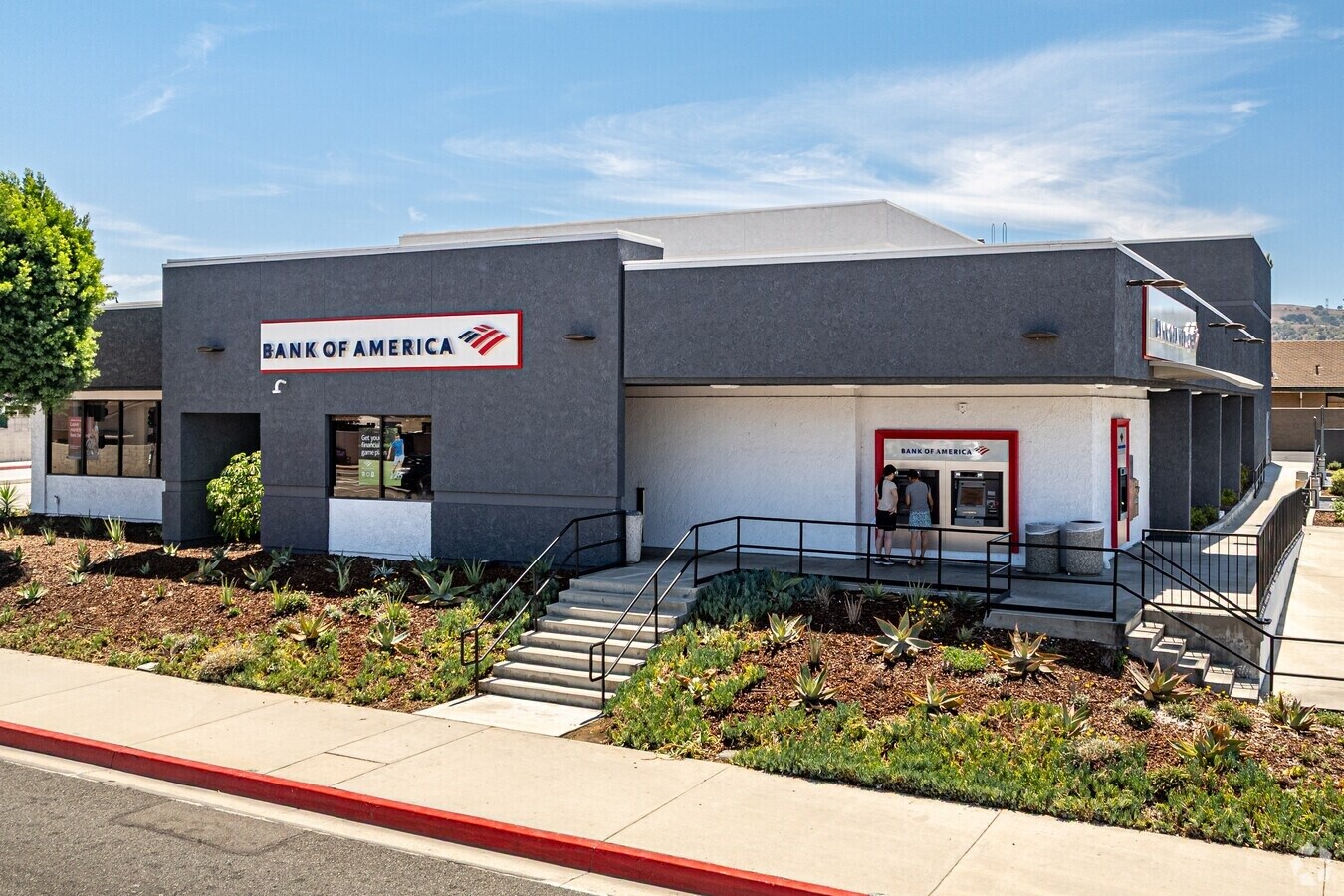
A bank branch flips the usual roofing math. The roof is often small, but the stakes on it are high and the building is intensely visible. A branch sits at a hard corner, fronts a busy road, and projects an image of stability that a streaked parapet or a bucket in the lobby quietly undermines. We roof financial buildings throughout Indianapolis, from the corporate offices in the Mile Square around Monument Circle and along the Meridian Street corridor to the freestanding branches and drive-throughs scattered across Keystone at the Crossing and the suburban retail nodes. These are not big-square-footage jobs, but they demand a level of finish and reliability that a back-lot warehouse never will.
Indianapolis is a genuine financial and insurance center, with a downtown core of bank and insurance headquarters and a dense network of retail branches reaching out across Marion County and into the surrounding suburbs. That mix means we work on two quite different roofs under the same heading: the larger low-slope roofs over downtown financial offices, and the small, exposed, detail-heavy roofs over neighborhood branches. Both share the same non-negotiable, which is that the building has to look composed and stay open while we work on it.
Almost every freestanding branch has a drive-through canopy, and that canopy is a roofing element people forget until it fails. It is small, it cantilevers out over the lanes, and it is mounted on columns that flex in the wind, which makes its flashing and terminations work harder than a canopy's modest size suggests. A leak there drips onto customers at the teller window or onto the pneumatic-tube equipment, in full view of everyone in the lane. We treat canopies as a real roof with real detailing, paying attention to how the membrane terminates at the edges and how the connection to the main building is flashed, because the structural movement of a cantilevered canopy is exactly what opens a poorly built detail.
Canopies and branch parapets also carry the building's signage and lighting, which means penetrations and mounting points that have to be sealed and maintained. Every illuminated sign band, every light fixture, every camera bracket on a small branch roof is a potential entry point for water. On a roof this compact, those details are a large share of the total risk, and we account for each of them.
On most commercial roofs nobody but a service tech ever sees the membrane. On a bank, the parapet edge, the coping, the canopy, and the fascia are part of the building's face, seen by every customer and every passerby. A sagging edge, a stained parapet, or a sloppy patch reads as neglect on a building whose entire brand is reliability. We hold the visible details of a financial building to a higher cosmetic standard, making sure coping lines stay straight, terminations look clean, and the roof edge presents the way the institution wants its branch to present. Function comes first, but on these buildings appearance is part of the function.
Banks operate on tight regulated hours, handle cash and sensitive customer data, and run on security systems that cannot be casually interrupted. You cannot stage a roof project the way you would over an empty retail box. We plan financial-building work around the branch's hours and its security posture, coordinating access so vaults, cameras, and alarm systems stay functional, and sequencing the noisy and disruptive work so it does not collide with banking hours or compromise the building's controls. Where work has to happen over the lobby or the teller line, we protect the interior and schedule to keep the branch serving customers.
Security coordination is a real part of these jobs. Rooftop access on a bank is not casual; it touches cameras, sensors, and sometimes the alarm zones themselves. We work with branch management and their security people so that putting crews on the roof never opens a gap in the building's protection, and so the institution's compliance and risk requirements are respected throughout the project.
For most Indianapolis branches and financial offices we recommend a reflective single-ply membrane such as TPO or PVC over the right insulation. On a small roof, the reflectivity and energy performance still matter, and the welded seams give us clean, durable detailing at the many edges and penetrations a branch carries. The compactness of a branch roof actually raises the stakes on details, because a small roof is almost all edge and penetration with very little open field, so the quality of the flashing work is most of the job. Where an older branch is re-roofing, we check the deck and insulation for trapped moisture before deciding between a recover and a tear-off, since a clean result on a highly visible building is worth getting the substrate right.
Central Indiana's weather tests even a small roof. Freeze-thaw cycles work at every termination, summer heat swings stress the membrane, and the hailstorms that move through this part of the state can dent and bruise a roof and its canopy in a single afternoon. After a significant hail or wind event we can document the condition of a branch roof for the owner's insurance purposes and address the damage before it becomes a leak over the lobby.
Financial institutions rarely have just one roof; they have a network of branches across the Indianapolis area, each small but each visible and each expected to stay open. That is a portfolio worth managing deliberately. We set up inspections that catch canopy and parapet issues early, re-seal the dense penetrations before winter opens them, and keep consistent records across the branches so capital is spent on the roof that genuinely needs it. Staging replacements across the network over time keeps any single branch from being caught with a failing roof during business hours. If your institution owns or leases financial buildings anywhere around Indianapolis, we can assess the roofs across your footprint and give you a coordinated plan that protects both the buildings and the image they project.
Tell us about the building and the roof problem. We'll document it and put a plan in writing — with an honest repair-vs-replace recommendation and no upsell pressure.
Get a Roof Assessment →
Commercial & industrial roofing across Central Indiana — documented scopes, honest priorities, and roofs scoped to how your operation runs.