Commercial roofing for Indianapolis fieldhouses, ice rinks, and natatoriums — long clear-span structures and pool humidity handled by assemblies built for the load.
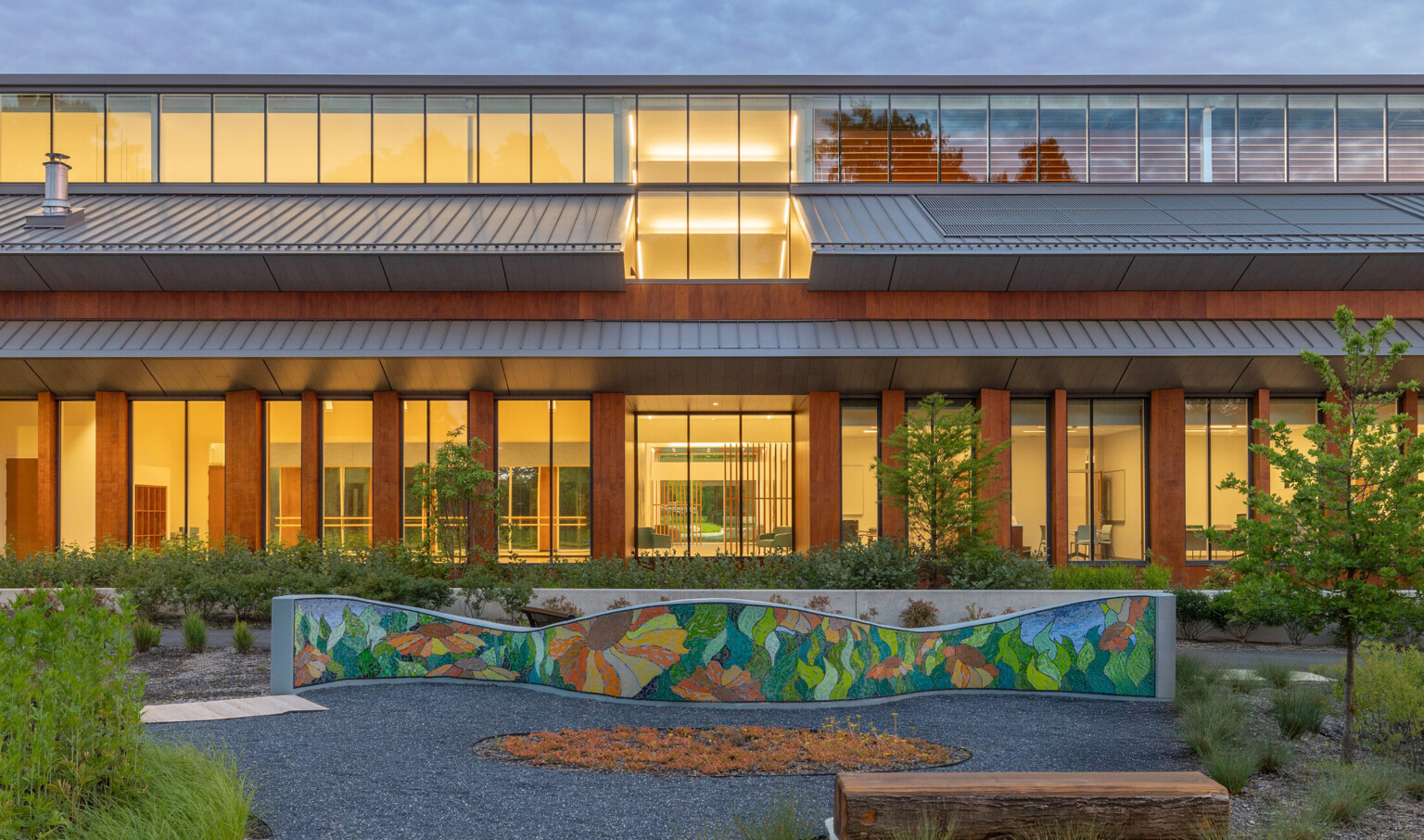
Indianapolis built an identity around amateur and youth sports, and the building stock shows it. Beyond the downtown venues, the region is full of fieldhouses, indoor sports complexes, ice rinks, aquatic centers, and recreation buildings — the Grand Park campus up in Westfield, the parks-department pools and rec centers across Marion County, the club and school athletic facilities in Carmel, Fishers, and Greenwood. These buildings ask two specific things of a roof that ordinary commercial work does not: they cover huge open spans with no interior columns to lean on, and many of them, the pools especially, hold a brutal indoor climate. We roof both kinds.
A gymnasium, fieldhouse, or arena floor needs to be open, so these buildings are framed with long-span steel joists, trusses, or beams carrying a roof deck across distances a normal building never sees. That structure deflects. It moves under wind, under snow load, and as temperatures swing across an Indianapolis year, and the roof assembly riding on top has to accommodate that movement without splitting a seam or tearing a flashing.
We design and detail long-span roofs for that reality:
The sheer size of these roofs is itself a challenge. Water has a long way to travel to a drain, and a small slope error over that distance becomes ponding. We verify positive drainage across the whole field and design the overflow so a clogged primary drain does not turn the roof into a pond the structure was never meant to hold.
An indoor pool is one of the most aggressive environments a roof can sit over. The air is warm and saturated, and it carries chloramines — the airborne chlorine compounds that come off treated pool water. That combination of constant humidity and corrosive chemistry attacks a roof assembly from the inside with a ferocity that has destroyed natatorium roofs and, in serious cases, the structures holding them up.
Over a pool, vapor control is not a detail — it is the whole job. We design a robust, continuous vapor retarder on the warm side so saturated, chloramine-laden air cannot reach the cold steel and condense inside the assembly. We specify corrosion-resistant components and chemically appropriate membranes and flashings, and we coordinate hard with the natatorium's dehumidification system, because the roof and the HVAC have to work together to keep that air under control. A pool roof where the dehumidification is undersized or the vapor retarder is compromised will corrode its deck and fasteners from above, and on a pool building that failure can become a structural safety issue, not just a leak. We treat it accordingly.
An ice rink flips the natatorium challenge upside down. Instead of warm, wet air rising into a cold deck, you have a cold sheet of ice chilling the air at floor level while the roof above can run warm, and the temperature gradient across the building drives condensation in places a normal roof never deals with. Get the insulation or vapor strategy wrong and you get dripping from the underside of the deck onto the ice — a hazard and an operational nightmare. We design rink roofs to control that gradient, keep the assembly dry, and work with the rink's dehumidification so the building stays clear from the deck down.
Recreation buildings love natural light. Fieldhouses and pools often have large skylights or translucent panel systems, and every one of those is a transition between the roof membrane and another material — which is to say, a place that leaks if it is detailed casually. We flash skylights and daylighting systems to last, and on reroofs we evaluate whether aging units should be replaced while the roof is open rather than flashed back in only to fail a year later.
These roofs also carry the large rooftop HVAC and, on pools, the dedicated dehumidification units needed to condition big interior volumes. We build properly supported, watertight curbs for that equipment and detail the dense penetrations so the busiest part of the roof stays the most reliable.
A sports complex lives by its schedule — leagues, tournaments, swim meets, and public hours fill the calendar, and a roof project cannot shut down a tournament weekend. We phase work around the facility's programming, sequence sections so play continues where possible, and protect the spaces below at every stage. Over a court or a sheet of ice or an open pool, debris and water control during the work are essential — nothing falls onto a playing surface or into the water. We keep the roof weathertight throughout a phased reroof so a sudden Indianapolis storm never finds an opening over an occupied building.
Large recreation roofs and natatorium roofs both reward regular inspection, for different reasons. The big fieldhouse roof needs its vast drainage system kept clear and its many seams and terminations checked across a large area. The pool roof needs frequent attention to the vapor retarder, the corrosion-prone components, and the dehumidification coordination, because its decline is hidden and fast. We inspect proactively, twice a year and after major storms and freeze-thaw cycling, and we document condition so the facility can plan and budget instead of reacting to a failure during a packed season.
If you operate a fieldhouse, indoor sports complex, ice rink, aquatic center, or recreation building in the Indianapolis region, the roof over it has demands a standard commercial roof never faces — long spans that move, or pool air that corrodes, or both. We will evaluate the structure, the interior climate, and the existing assembly, then design a roof built for how your building is actually used. Contact us to schedule an assessment.
Tell us about the building and the roof problem. We'll document it and put a plan in writing — with an honest repair-vs-replace recommendation and no upsell pressure.
Get a Roof Assessment →
Commercial & industrial roofing across Central Indiana — documented scopes, honest priorities, and roofs scoped to how your operation runs.