Parapet wall repair and flashing replacement on Indianapolis commercial buildings — masonry repointing, cap repair, through-wall flashing, and base flashing details designed for Indiana's freeze-thaw climate.
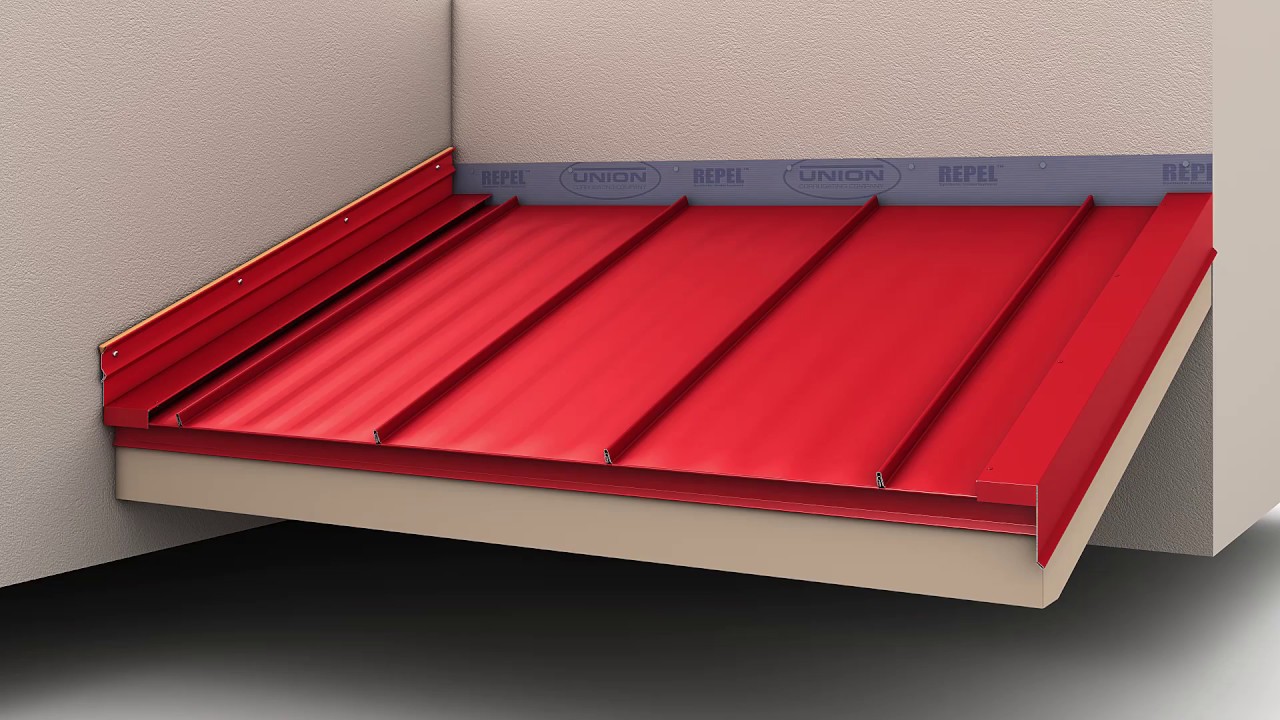
Parapet walls are among the highest-failure zones on commercial flat roofs in Indianapolis. Exposed on three sides — top, face, and interior — parapets absorb direct precipitation, freeze-thaw movement, and UV degradation that the roof membrane below does not experience. When parapet flashings, cap flashing, through-wall flashing, or masonry pointing fails, water enters the wall assembly and travels downward — often appearing as interior water damage far from the actual entry point. Parapet wall repair on Indianapolis commercial buildings requires diagnosing the actual infiltration path, not just patching the symptom.
Indianapolis parapets fail through a predictable sequence driven by the Central Indiana climate. Freeze-thaw cycling — 25-plus cycles per year in Marion County — expands and contracts masonry mortar joints, eventually opening voids that admit water. Once water enters cracked mortar, it freezes, further widening the joint. Cap flashing (the metal or stone cap at the parapet top) separates from the wall face as sealant ages and substrate movement opens the joint. Base flashing at the membrane-to-parapet transition separates from the wall as the bituminous or single-ply flashing adhesive ages. Through-wall flashing embedded in the masonry may corrode or fatigue, losing its function as a capillary break. Any one of these failure modes creates a water path into the building envelope.
Parapet wall repair is not a single task — it is a sequence of work scoped to the specific failure mode identified in the inspection. Masonry repointing (tuckpointing) addresses mortar joint voids: deteriorated mortar is removed to a minimum depth of 3/4 inch, the joint is cleaned, and new mortar is packed in lifts with a color-matched mix appropriate to the original masonry. Cap repair or replacement addresses failed coping: sheet-metal coping is re-secured, re-sealed at laps, and re-embedded in the wall; stone or precast coping is re-bedded and sealed. Counter-flashing repair addresses the lap between the embedded through-wall flashing and the base flashing on the roof surface. Base flashing replacement addresses the membrane-to-wall transition. In many cases, all four layers need attention simultaneously.
The Central Indiana climate creates a demanding environment for parapet assemblies. January average lows in Indianapolis reach the low teens (°F), and rooftop temperatures drop below 0°F on the coldest nights. Summer rooftop temperatures on dark membrane surfaces can exceed 150°F. This 150-degree-plus seasonal swing is absorbed directly by parapet assemblies — metal coping expands and contracts significantly, sealant joints cycle repeatedly, and masonry mortar experiences repeated stress. Buildings along the I-465 corridor and in downtown Indianapolis also experience wind-driven rain events during spring storm season that test every flashing lap and sealant joint. Parapet systems that were correctly installed 20 years ago may now be at the end of their service life simply from normal climate exposure.
Parapet leak diagnosis on Indianapolis commercial buildings requires more than visual inspection from the rooftop. Water that enters through a failed parapet cap can travel laterally inside the wall assembly before exiting at an interior surface — the interior stain may appear six feet or more from the actual entry point. Effective diagnosis combines visual inspection of the parapet exterior (mortar, cap, coping laps, counter-flashing terminations) with interior inspection of the affected wall area, and in some cases infrared thermography to trace moisture migration paths within the assembly. We provide written diagnosis documentation before recommending scope, so the owner understands what is being repaired and why.
Active water infiltration through a parapet is a building-envelope emergency in Indianapolis. Water in a wall assembly that is allowed to freeze will accelerate masonry deterioration — spalled brick faces and collapsed mortar joints are the downstream consequence of deferred parapet repair. Interior damage to wall insulation, drywall, and finishes compounds the eventual repair cost. A parapet that shows open mortar joints, displaced or separated coping, or visible flashing separation should be assessed promptly, especially before the first freeze cycle of fall. Emergency parapet dry-in service is available for active-leak situations.
Every parapet wall repair project includes a pre-repair written condition report with photos identifying each failure location and failure mode, a written scope of work with materials specified by type and manufacturer, installation documentation, and a post-repair photo log confirming completed work. Workmanship warranty is provided in writing. Mortar and sealant material warranties follow manufacturer specifications. Owners receive guidance on a recommended inspection interval — typically the next spring and fall cycle — to confirm repair integrity through the first full weather season.
Tell us about the building and the roof problem. We'll document it and put a plan in writing — with an honest repair-vs-replace recommendation and no upsell pressure.
Get a Roof Assessment →
Commercial & industrial roofing across Central Indiana — documented scopes, honest priorities, and roofs scoped to how your operation runs.