Commercial roofing for churches, worship centers, and religious facilities throughout Indianapolis, IN.
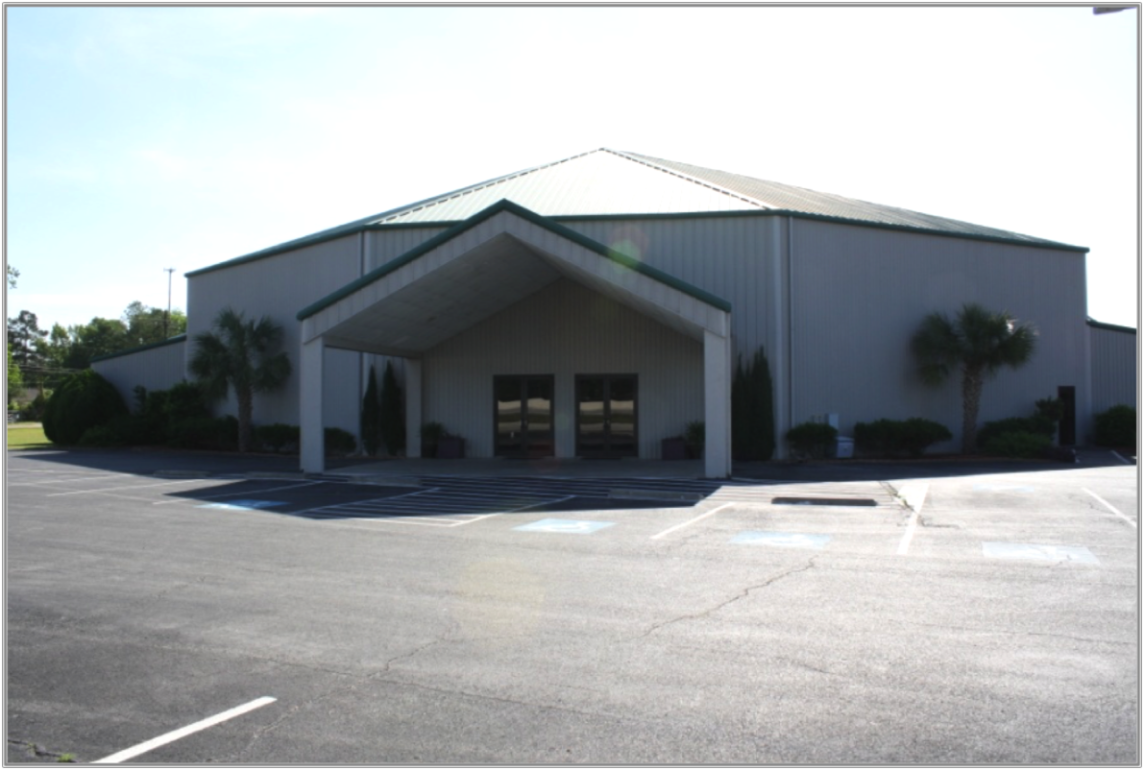
Churches and religious facilities throughout Indianapolis present a unique roofing challenge: complex geometry, sensitive interior finishes, congregant occupancy on predictable schedules, and budgets that depend on giving cycles rather than operating revenue. Commercial Roofers Indianapolis understands that work on a worship space is never just a construction project — it affects the community that relies on the building every week. We scope church and religious facility roofing projects in Central Indiana with that reality in mind, delivering written proposals that are honest about cost, sequenced around worship schedules, and backed by manufacturer warranties that protect the congregation's long-term investment.
Religious buildings in Indianapolis range from early-20th-century masonry sanctuaries with slate and clay tile roofs in older neighborhoods to mid-century flat-roof fellowship halls and modern campus multi-building complexes. The roofing needs vary as dramatically as the architecture. Steepled sanctuaries often have steep-slope shingled sections over the main nave, flat or low-slope BUR or modified bitumen sections over fellowship halls and additions, and complex valleys and transitions between them. Each zone requires a different approach, and leaks frequently originate at the transitions between zones rather than in the field of either membrane. We assess every zone independently and write a scope that addresses all active failure points rather than patching the most visible leak while leaving the next one unaddressed.
Central Indiana's winters are hard on the complex flashing conditions found on older churches. Freeze-thaw cycling works at mortar joints in masonry walls, separates lead and copper flashings from masonry substrates, and drives ice into open valley conditions on slate and tile roofs. When water infiltrates the wall assembly through failed counter-flashing at a masonry sanctuary, it often travels far from the entry point before appearing on interior plaster or ceiling finishes — making root-cause diagnosis more difficult and interior damage more extensive. We trace water infiltration paths before writing scope on any church building and include masonry repointing and flashing replacement in any project where the wall condition is contributing to the roof failure.
Sunday morning is non-negotiable for most Indianapolis churches. We schedule roofing work to have all active work areas closed and the building secure before Sunday services begin, and we plan our production schedule around mid-week services, Wednesday night programs, and any special events on the congregation's calendar. For projects that require interior access or work above occupied sanctuary spaces, we work in coordination with the facility manager to ensure the space is vacant during active work and that any dust or debris from overhead work is contained and cleaned before occupants return. This level of coordination is standard on every church project we take on in Marion County.
Flat or low-slope sections on Indianapolis churches most commonly carry modified bitumen, older BUR, or — on buildings constructed after 1990 — single-ply TPO or EPDM. For replacement or recover on flat sections, we typically recommend 60-mil TPO for its combination of heat-weldable seams, UV resistance, and reflective surface that reduces cooling loads on fellowship halls and classrooms. Steep-slope sections with asphalt shingles are replaced with architectural-laminate shingles with 30-year or limited-lifetime warranties. Slate and tile roofs require specialist work — we assess these systems and, where maintenance or repair is warranted, perform the work with the specific techniques those materials require rather than attempting shortcuts that compromise integrity.
Sanctuary interiors — hardwood floors, pew finishes, pipe organs, stained glass, painted plaster — are irreplaceable. We take interior protection seriously on every church project. Before any penetration work or tear-off above occupied spaces, we verify that interior surfaces are covered or relocated as appropriate, and we maintain temporary dry-in at any open section if weather threatens. Water intrusion during a church roof project that damages a hardwood floor or stains a plaster ceiling is an outcome we treat as completely unacceptable, and our phasing and dry-in protocols are designed to prevent it regardless of how the Indiana weather cooperates.
Every church roofing project in Indianapolis closes with a written scope, a photo-keyed completion report, and manufacturer warranty documentation issued in the church's name. For congregations planning multi-phase capital campaigns, we provide budget estimates for future phases so the finance committee can plan giving initiatives with accurate numbers. We maintain a project file for every church we serve in Central Indiana that tracks warranty dates, maintenance history, and any condition notes from subsequent inspections.
Tell us about the building and the roof problem. We'll document it and put a plan in writing — with an honest repair-vs-replace recommendation and no upsell pressure.
Get a Roof Assessment →
Commercial & industrial roofing across Central Indiana — documented scopes, honest priorities, and roofs scoped to how your operation runs.