Commercial roofing for auto dealerships, car lots, service centers, and automotive facilities throughout Indianapolis, IN.
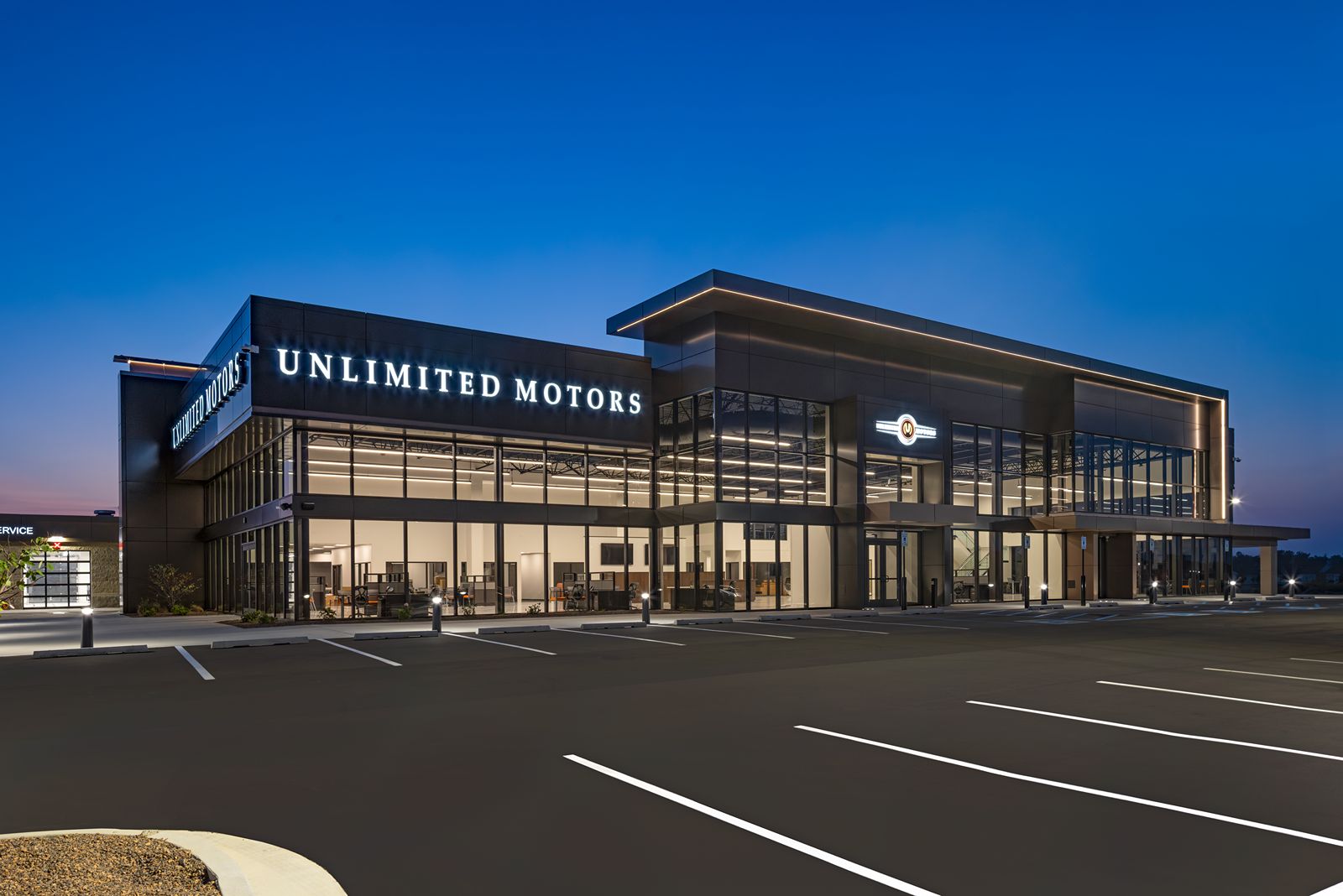
Indianapolis auto dealerships present some of the most demanding flat-roof environments in Central Indiana. Large open showroom spans, busy service-drive canopies, parts-storage annexes, and high-volume HVAC equipment create a roofing load that standard commercial contractors frequently underestimate. Commercial Roofers Indianapolis specializes in the full scope of auto dealership roofing — from new TPO installations over a 40,000-square-foot showroom to targeted repair of service-bay canopy flashings — with scheduling designed around your service department's hours and your manufacturer's franchise standards.
A franchised dealership campus typically combines three or four distinct roof zones: the glass-fronted showroom with heavy HVAC penetrations, the drive-through service lane with open-air canopy edges, the enclosed parts and body-shop building, and detailing bays or wash tunnels. Each zone carries different drainage demands, different membrane exposure, and different foot-traffic patterns from technicians accessing rooftop HVAC units. A leak above the showroom floor damages vehicles and finishes in ways that a parts-warehouse leak does not, so membrane specification and flashing detail matter on an entirely different level. We scope every dealership roof zone separately before writing a single recommendation.
Central Indiana's freeze-thaw cycle is one of the most damaging forces a flat roof faces. Indianapolis averages more than 100 freeze-thaw events per year, and flat roofs on large dealership buildings pool water at low points before it can drain. When that ponded water freezes, it stresses lap seams, open terminations, and any flashing that has already begun to separate. Summer brings the opposite problem: peak UV exposure and surface temperatures that regularly exceed 150°F on dark membrane, accelerating oxidation in aged bitumen and causing premature brittleness in under-spec EPDM. TPO and PVC systems on dealership roofs along the I-465 corridor hold up better than EPDM in these conditions because of their heat-weldable seams and superior UV resistance, and we recommend them for any new installation or full recover.
The service-drive canopy is the most maintenance-intensive roof section on most dealership campuses. Exhaust fumes, vehicle-generated heat cycling, and oil particulate land on membrane and degrade sealant faster than on a standard flat field. Metal-edge terminations at canopy perimeters are prime leak entry points, and they often go unnoticed until water has tracked back under the deck into the service-bay ceiling. We inspect termination bars, counter-flashings, and gutter-to-deck connections on every canopy scope and replace them on a preventive basis when corrosion or sealant failure is visible. Drain maintenance on service-drive roofs is equally critical — we clear and re-flange internal drains on a documented schedule to prevent the ponding that shortens membrane life by years.
Dealership service departments run Monday through Saturday and often extend into Sunday. Showrooms operate during all daylight hours. Our scheduling on Indianapolis dealership projects is geared to your operation, not ours. We stage materials and equipment before the day starts, confine active-work zones to areas that don't cross customer-facing paths, and use access routes that keep our crews out of your service-drive queue. For large replacement projects, we sequence the work in zones so that no more than one roof section is open to weather at a time, minimizing the risk of interior exposure during the inevitable Indiana afternoon thunderstorm.
TPO single-ply membrane — 60-mil minimum, 80-mil for canopy and high-traffic zones — is our primary recommendation for Indianapolis dealership roofs because of its superior resistance to chemical exposure, heat welding at seams, and compatibility with most OEM warranty requirements. For showrooms with existing metal deck in sound condition, a mechanically attached TPO recover can eliminate tear-off cost and disruption. Body-shop buildings and paint booths may require PVC membrane where chemical resistance to solvent-bearing exhaust is a documented concern. On older masonry-clad buildings, we inspect parapet caps and through-wall flashings as part of every dealership scope, since parapet deterioration on Marion County's older dealership stock is one of the most common hidden leak paths we encounter.
Every dealership project closes with a written scope, a phased completion photo log, and manufacturer warranty documentation issued in the owner's name. For franchise groups managing multiple Indianapolis-area dealerships, we maintain a portfolio file that tracks membrane age, coating status, and scheduled maintenance intervals across all buildings. Pre-sale due diligence packages for dealership real estate transactions are available on request, including written condition reports with zone-by-zone photography that satisfy lender and buyer requirements.
Tell us about the building and the roof problem. We'll document it and put a plan in writing — with an honest repair-vs-replace recommendation and no upsell pressure.
Get a Roof Assessment →
Commercial & industrial roofing across Central Indiana — documented scopes, honest priorities, and roofs scoped to how your operation runs.