Commercial roofing for hospitals, medical office buildings, surgical centers, and healthcare facilities throughout Indianapolis, IN.
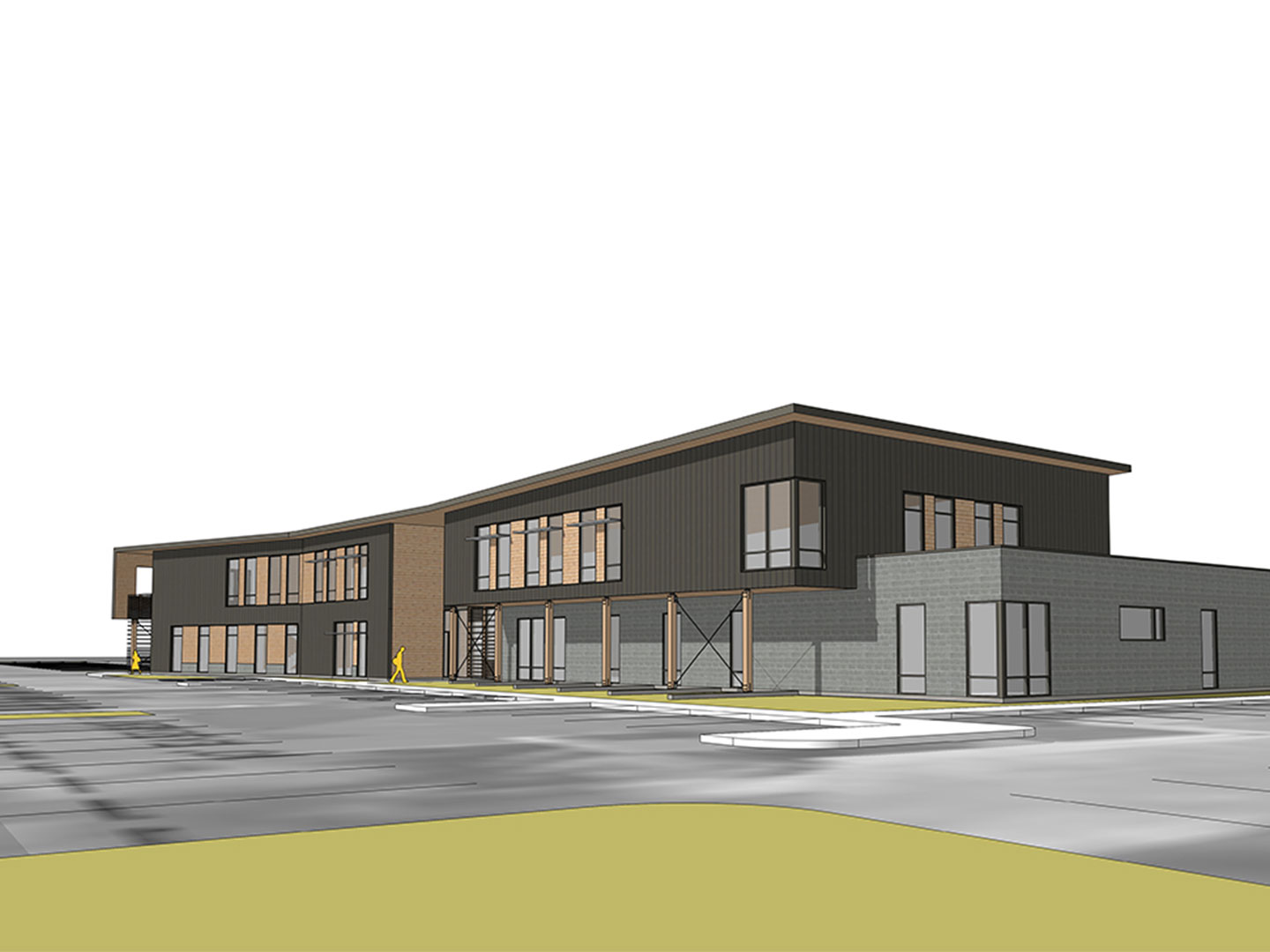
Hospitals, medical office buildings, surgical centers, dialysis clinics, and specialty healthcare facilities in Indianapolis present roofing challenges that go well beyond a standard commercial project. These buildings operate continuously, house patients and critical equipment, and cannot tolerate water intrusion, unexpected noise, or construction dust that disrupts clinical areas. The roofing contractor serving Indianapolis healthcare facilities must combine technical expertise in large commercial flat roofing systems with a thorough understanding of infection control protocols, occupied-building logistics, and the documentation requirements that healthcare facility managers and real estate departments expect.
Healthcare facilities across Indianapolis span a range of building ages and roof types. Large hospital campuses — including medical centers concentrated on the north side, along the I-65 corridor, and in Carmel and Fishers — typically have complex roofscape with multiple levels, mechanical equipment platforms, rooftop HVAC units, medical gas risers, and communication equipment. These roofs are almost always flat or low-slope, using TPO, EPDM, or PVC single-ply membranes over polyisocyanurate insulation. Smaller medical office buildings and outpatient facilities may have low-slope single-ply systems or standing-seam metal over covered walkways. The correct system specification must account for the number and density of penetrations — healthcare roofs have significantly more roof penetrations per square foot than standard commercial buildings.
Healthcare facilities in Indiana are subject to Infection Control Risk Assessment (ICRA) protocols that govern construction activities in or adjacent to occupied clinical areas. Roofing work — which involves dust, debris, and the potential for biological material from existing roof assemblies to enter air handling systems — must be planned in coordination with the facility's infection control officer before work begins. Temporary barriers, air handling unit shutdowns, and HVAC damper closures during specific work phases may be required. The roofing contractor must have written ICRA compliance procedures, not simply a general statement of awareness. Work sequences that expose the deck or involve hot-work must be pre-approved and documented for the facility's project file.
Unlike an empty warehouse that can be re-roofed in a single continuous operation, an Indianapolis hospital or medical center requires phased construction that keeps each day's work area waterproofed before the crew leaves the roof. This means smaller daily work areas, temporary flashing at all open perimeters before rainfall, and daily closeout inspections. Emergency response protocols must be established before work begins — a sudden afternoon thunderstorm in Marion County during a partially open roof phase can cause significant interior damage if the crew is not equipped to close out quickly. Work hours may need to align with clinical operations schedules, avoiding areas above occupied patient rooms, surgical suites, or imaging equipment during peak hours.
Healthcare roofs in Indianapolis are among the most equipment-intensive commercial roofs in any industry. RTUs, air handling units, medical gas equipment, emergency generator exhausts, and communications antennas all require curb flashings, penetrations, and clearances that must be maintained during and after roofing work. When replacing a roof on a healthcare building, every piece of rooftop equipment must be catalogued, its base condition documented, and its curb flashing rebuilt or replaced as part of the roofing scope. Missed or improperly re-flashed equipment penetrations are the most common source of post-project leaks on Indianapolis healthcare buildings. The written scope should include a penetration schedule that lists every curb, pipe, and conduit on the roof and documents the flashing treatment for each.
Central Indiana's climate presents the standard commercial roofing challenges — freeze-thaw cycling, summer UV loading, spring storm wind uplift, and fall ponding — with an added sensitivity for healthcare buildings: interior humidity and temperature-controlled environments create condensation risks at roof deck penetrations and poorly insulated perimeter conditions that are rarely concerns in an unoccupied warehouse. Vapor retarder specification, insulation continuity at curb flashings, and air barrier detailing at parapet walls are more critical on a hospital roof than on a general commercial building. These details must be correct in the specification, not addressed as an afterthought during installation.
Every healthcare roofing project begins with a written scope that includes ICRA compliance provisions, a phasing plan, daily closeout requirements, and a penetration schedule. The scope is reviewed and approved by the facility manager and infection control officer before work begins. Upon completion, the facility receives a manufacturer warranty registration, as-built photographs keyed to a roof plan, the penetration schedule with post-installation flashing documentation, and a maintenance schedule aligned with the warranty's requirements. The documentation package is formatted to support the facility's ongoing facility management records and future capital planning submissions.
Tell us about the building and the roof problem. We'll document it and put a plan in writing — with an honest repair-vs-replace recommendation and no upsell pressure.
Get a Roof Assessment →
Commercial & industrial roofing across Central Indiana — documented scopes, honest priorities, and roofs scoped to how your operation runs.