Commercial roof expansion joint repair and replacement on Indianapolis commercial buildings — cover assembly replacement, membrane re-flashing, and joint sizing designed for Indiana's full thermal movement range.
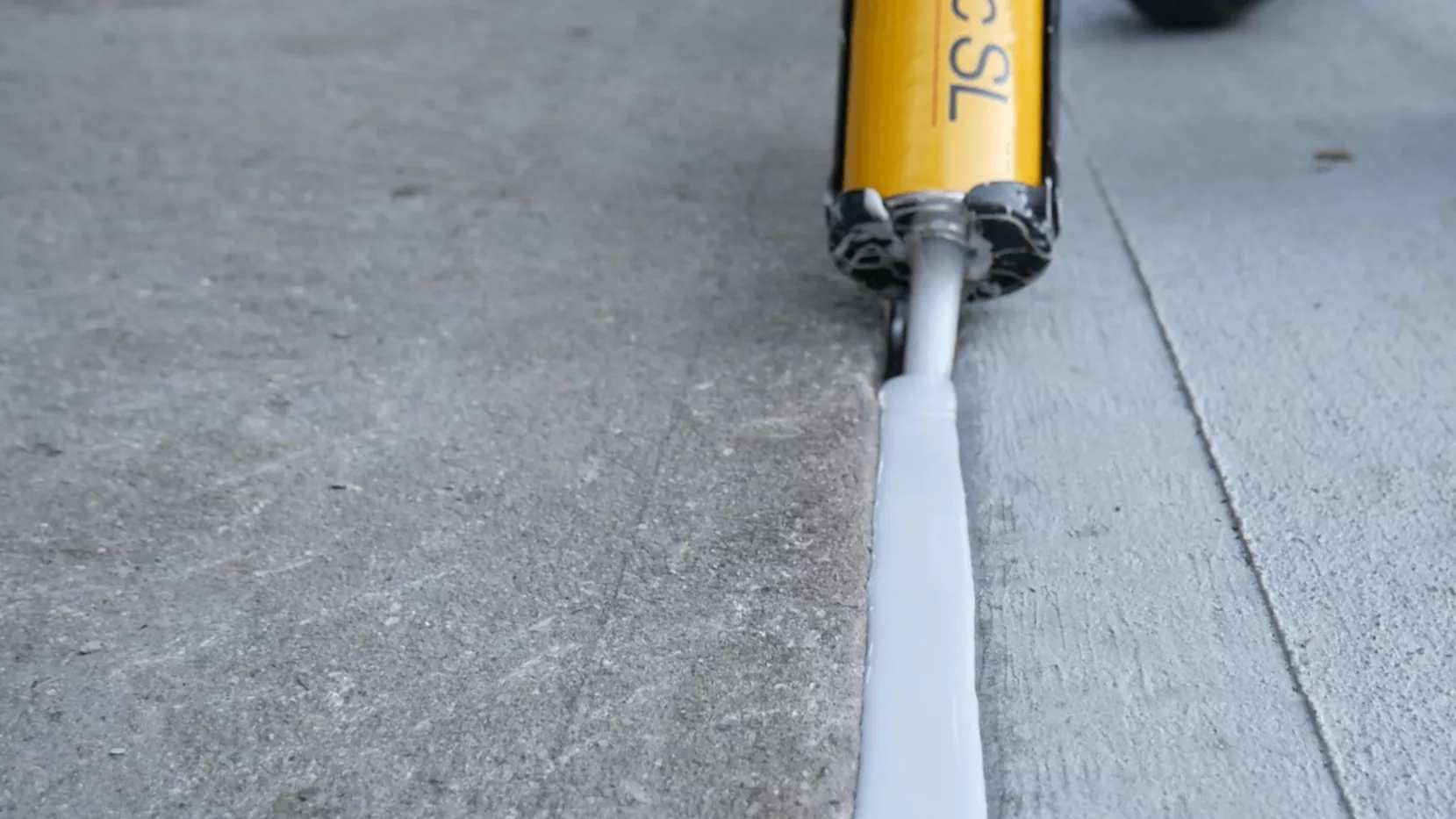
Expansion joints in commercial buildings allow separate structural sections to move independently without transmitting load or cracking. On the roof, expansion joints cross the membrane system and must accommodate thermal movement, seismic drift, and building settlement — all while maintaining a continuous waterproof barrier. In Indianapolis and the surrounding Marion County metro, the combination of summer heat expansion and winter contraction stresses expansion joint assemblies harder than in more temperate climates. Failed expansion joint covers are among the most common sources of recurring leak complaints in larger commercial, institutional, and industrial buildings throughout Central Indiana.
A rooftop expansion joint consists of a flexible cover assembly that bridges the gap between two separate structural sections. The assembly typically includes a neoprene or EPDM bellows, aluminum or stainless steel cover plates, and base flashing on each side of the joint that ties back to the main roof membrane. The gap width is engineered based on the expected thermal movement range for the building's length and climate. In Central Indiana, where temperature swings from -10°F to over 100°F occur across the calendar year, expansion joints on large-footprint buildings along the I-465 industrial and retail corridor must accommodate significant differential movement without tearing the cover assembly or pulling the base flashing off the adjacent membrane.
Expansion joint assemblies fail in predictable ways. The bellows cracks or tears from UV degradation and repeated flexing, allowing water to enter the building envelope directly. Cover plates corrode, separate at end caps, or lose their end dams, channeling water into the joint rather than shedding it away. Base flashing at the joint's edges separates from the adjacent roof membrane as building sections move over time, leaving an open seam at the most vulnerable point of the assembly. On older Indianapolis commercial buildings, original expansion joint details were sometimes underbuilt — narrow cover assemblies that cannot accommodate the actual movement the building experiences in winter. These assemblies often develop leaks within the first 10–15 years even when otherwise well-maintained roofs are in good condition.
Expansion joint repair begins with a leak investigation that traces the water path from the interior complaint point back to the roof. Because water migrates along structural joints before entering the building, the visible stain is rarely directly below the breach. Once the failed section is identified, the existing cover assembly is removed and the substrate is inspected for moisture damage. Minor base flashing separations can sometimes be resealed and reinforced with compatible membrane material. When the bellows is cracked or the cover plates are corroded, a full assembly replacement is the correct scope — patching a failed bellows with lap sealant is a temporary measure that defers the repeat service call by months, not years. New assemblies are sized to the actual joint gap with a bellows rated for the climate's expected movement range, and base flashings are stripped in and reinforced with additional membrane plies on each side of the joint.
Thermal movement calculations for Indianapolis commercial buildings must account for the full temperature delta the structure experiences — typically a design range of 110–120°F across the calendar year. A 200-foot building section can experience over an inch of linear thermal expansion between a January low and a July high. Expansion joints that were originally designed for a narrower movement range may bind or over-stretch the cover assembly at temperature extremes, accelerating failure. When replacing an expansion joint cover on a Central Indiana building, the correct specification starts with a movement range calculation rather than simply replacing the existing assembly in-kind. An undersized replacement will fail on the same schedule as the original.
Expansion joint repair does not happen in isolation from the surrounding roof membrane. The base flashings on each side of the joint must be properly integrated with the field membrane using compatible materials and adhesion methods. On a TPO roof, the base flashing must be TPO or an approved cover tape compatible with the membrane manufacturer's warranty. On EPDM systems, the joint flashing uses EPDM or compatible splice materials. Mismatched materials — for example, a neoprene bellows factory-taped to an EPDM membrane with silicone — create adhesion failures within a few freeze-thaw cycles. Every expansion joint repair on an Indianapolis commercial building should include a written scope that identifies the cover assembly manufacturer, model, movement rating, and the specific integration detail used at the base flashing on each side.
A completed expansion joint repair includes a written scope and photo documentation of the existing condition, the assembly removed, the substrate inspection, and the completed installation. If the joint runs the full length of the building, a diagram showing the joint's location, the section lengths, and any areas where additional base flashing work was required is included. The owner receives the manufacturer's warranty for the new cover assembly and a recommended follow-up inspection schedule — typically 12 months post-installation — to confirm the assembly is performing as designed through one full seasonal cycle.
Tell us about the building and the roof problem. We'll document it and put a plan in writing — with an honest repair-vs-replace recommendation and no upsell pressure.
Get a Roof Assessment →
Commercial & industrial roofing across Central Indiana — documented scopes, honest priorities, and roofs scoped to how your operation runs.