Humidity and moisture damage roof repair in Indianapolis, IN. We diagnose blistering, ridging, saturated insulation, and failed vapor barriers, then fix the cause instead of the symptom.
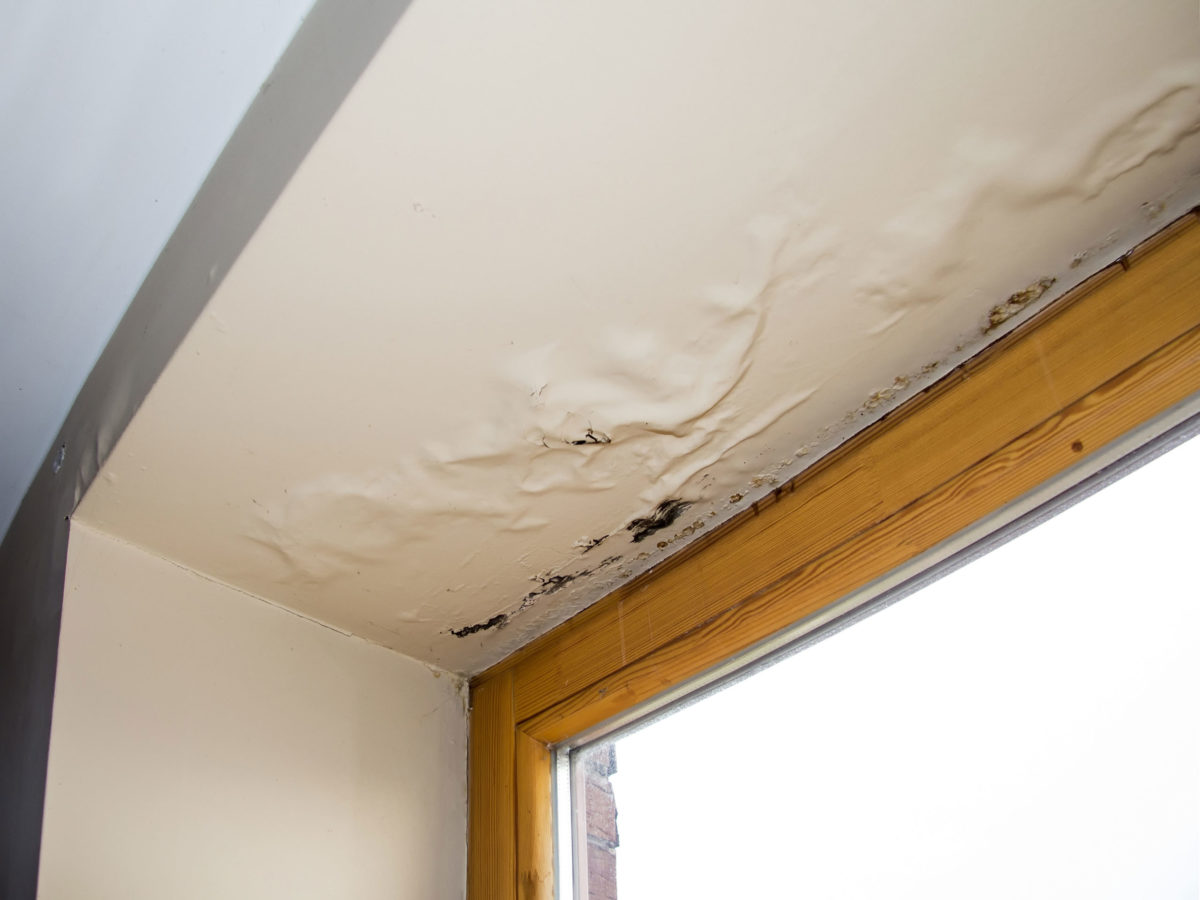
Plenty of the failing roofs we repair around Indianapolis never had a leak from above at all. They are being wrecked from the inside, by moisture that rose up out of the building. Warm, humid interior air drifts upward, meets the cold underside of the roof during a Central Indiana winter, and condenses inside the assembly where nobody can see it. Give that a few seasons and the hidden moisture saturates the insulation, blisters the membrane, and rusts the steel deck, all without a single drop ever falling from the sky. Reading that correctly is the entire job, because patching the membrane on a humidity-driven failure just seals the moisture in and buys you a few months before it comes back worse than before.
Indianapolis sits squarely in a humid continental climate, which is close to a worst case for vapor drive through a roof. Summers run hot and sticky, winters get genuinely cold, and the building spends half the year pushing warm moist air up against a freezing roof and the other half doing the reverse. That seasonal swing is precisely the pump that drives water vapor through any gap in the vapor control and condenses it inside the insulation. The bigger the temperature difference between the conditioned interior and the outside air, the harder the moisture is pushed, and a hard January cold snap in Marion County builds a powerful gradient straight across the roof assembly.
The buildings most exposed to this are the ones that make a lot of humidity inside. Food and beverage processing, cold storage and the refrigerated warehouse stock along the freight corridors, commercial laundries, indoor pools and natatoriums, and parts of healthcare facilities all run wet on the interior. We see it across the older industrial buildings in the Park 100 area and the near-east and southside manufacturing districts, where the original vapor control was either minimal to begin with or has quietly broken down over decades of service and rooftop changes. Many of these are also natural candidates for our warehouse roofing work, because the moisture problem and the roof type tend to travel together.
Humidity damage announces itself in a handful of telltale patterns, and reading them is how we separate an interior moisture problem from an ordinary leak.
Because so much of this lives below the surface, we rarely diagnose a humidity problem by eye alone. We confirm the extent with moisture meters, core samples, and very often an infrared survey, including a scheduled inspection on the larger low-slope roofs, so we map the real wet area before we ever put a repair scope on paper.
A roof assembly is supposed to manage vapor as deliberately as it sheds rain. In a humid building, a vapor retarder sits low in the assembly to stop interior moisture from climbing into the insulation. When that retarder is missing, was never specified, or has been perforated by years of penetrations and retrofits, the moisture has a clear road into the roof. Older Indianapolis buildings often carry a vapor barrier that has been compromised by every rooftop unit, conduit run, and patch added over the decades, and each of those is one more hole the warm wet air uses to get in.
That is exactly why we refuse to just chase the symptom. If we strip out wet insulation and re-membrane the surface without dealing with how the moisture got in, the new assembly will saturate on the same schedule the old one did. Repairing humidity damage properly means looking at the vapor control, the interior humidity load, and sometimes the building's own ventilation, not only the roofing. We will tell you honestly when the roof is the victim and the real fix lives partly inside the building, even when that is not the answer anyone wanted to hear.
Once we know the true extent of the wet area, the repair follows from the diagnosis rather than a default playbook.
Humidity damage compounds, and the Indianapolis freeze-thaw cycle accelerates it hard. Water trapped in the insulation freezes when the temperature drops, expands, and physically tears at the membrane and the bond between the layers. Then it thaws, migrates, and refreezes with the next cold front. Each cycle does a little more structural damage, and a Central Indiana winter delivers dozens of them in a season. A blister that looked merely cosmetic in October can split wide open by February and turn into an actual leak. Meanwhile the wet insulation is dragging down your energy performance every single day and the steel deck underneath is corroding where nobody is looking.
Catching it early is dramatically cheaper. A targeted repair of a localized wet area, paired with fixing the vapor path that fed it, can save a roof that would otherwise need a full tear-off in a couple of years. Wait until the membrane is failing across the whole field and a repair turns into a replacement. If your building runs humid inside, if you are seeing blisters or soft spots, or if a roof keeps developing leaks that do not trace to any obvious source above, the problem may well be coming from within. We serve commercial property owners throughout Indianapolis, and we would much rather diagnose a humidity problem while it is still a repair. Reach out and we will core the roof, map the moisture, and tell you exactly what is happening inside your assembly. You can read more about us and how we work with owners across central Indiana.
Tell us about the building and the roof problem. We'll document it and put a plan in writing — with an honest repair-vs-replace recommendation and no upsell pressure.
Get a Roof Assessment →
Commercial & industrial roofing across Central Indiana — documented scopes, honest priorities, and roofs scoped to how your operation runs.