A useful maintenance program records recurring conditions, clears drainage, services vulnerable details, tracks repairs, and turns each visit into a prioritized roof history. Commercial Roof Preventive Maintenance Program in Indianapolis, IN — commercial roofing assessment, documentation, and program management for IN property owners.
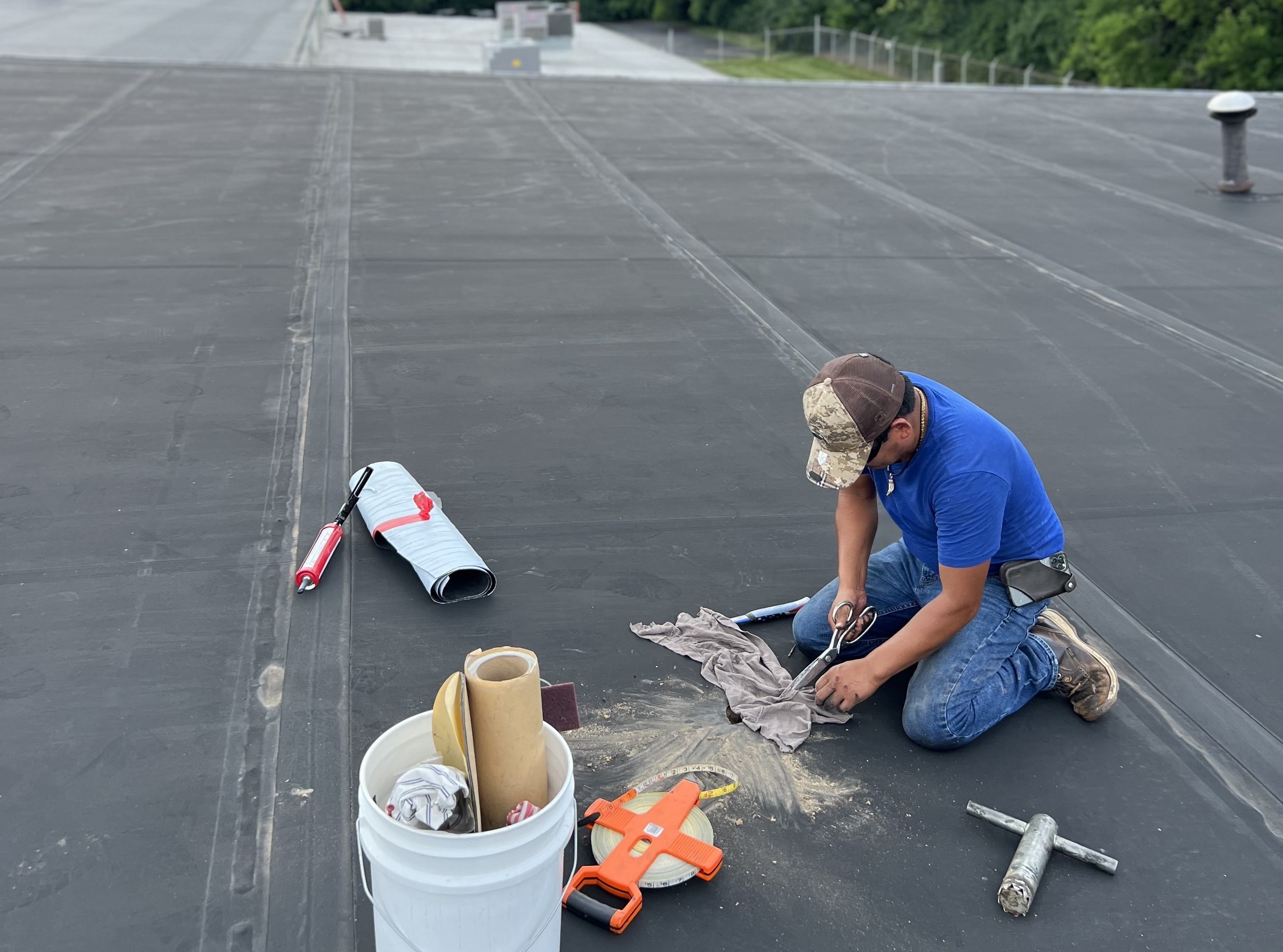
A preventive roof maintenance program is a documented, scheduled set of inspections and minor interventions performed at regular intervals to extend the serviceable life of a commercial roof. Indianapolis commercial property owners who implement formal maintenance programs consistently get more years out of their roofing systems than owners who wait for leaks to appear. Central Indiana's climate — with its harsh freeze-thaw cycles, summer UV intensity, and severe storm season — makes proactive maintenance especially valuable because it catches developing conditions before they become failures.
A well-designed program for an Indianapolis commercial building typically includes two scheduled visits per year: one in the spring after winter freeze-thaw stress, and one in early fall before the heating season begins. Each visit includes a full roof walk to inspect the membrane surface, all lap seams, penetration flashings, perimeter edge metal, parapet cap flashings, drains and scuppers, and any rooftop equipment curbs. Minor deficiencies found during the inspection — small open seams, deteriorating lap adhesive, loose or missing caulk at penetrations — are addressed on the same visit before they develop into active leaks.
Between scheduled visits, drain cleaning is often included as a separate line item because Indianapolis fall leaf drop rapidly clogs interior roof drains and scuppers. Blocked drains cause ponding that stresses membranes and accelerates UV degradation around the ponding perimeter.
Marion County's climate zone delivers approximately 100 freeze-thaw cycles per year, concentrated in the October-through-March window. Each cycle stresses lap seams, penetration boots, and edge metal terminations as materials expand and contract. UV exposure during Indianapolis summers is intense enough to degrade EPDM surface compounds and TPO lap seam weld edges if minor surface weathering is not addressed early. Hail events — which Central Indiana receives multiple times in most years — create micro-punctures in single-ply membranes that are invisible from the ground but allow slow moisture infiltration into insulation boards.
Preventive maintenance catches all of these conditions at the point where a single tube of caulk or a hand-welded seam repair costs a few hundred dollars, not at the point where saturated insulation and interior ceiling damage cost tens of thousands.
Each maintenance visit produces a written condition report documenting the membrane type and age, condition ratings by roof zone, photographs of each deficiency found and its location on a roof plan, a description of work performed on that visit, and recommendations for capital planning if deterioration patterns suggest re-roofing or recover is approaching. This documentation record becomes an asset when the property is sold, when insurance claims are filed after storm events, or when a tenant disputes whether a pre-existing condition caused interior damage.
Condition reports are retained on file and compared year-over-year to track deterioration rates. A roof degrading faster than expected triggers a recommendation for additional attention; a roof holding up well earns an extended inspection interval.
Drainage is the single most important variable in flat-roof longevity, and it receives dedicated attention in every maintenance visit. Drains are cleared of debris, drain covers are removed and inspected for corrosion or cracks, and interior drain bowls are checked for proper slope and connection integrity. Scuppers at parapet walls are cleared and inspected for blockage by debris or bird nests. Where ponding is observed during an inspection visit, the project is documented with photographs and dimensions, and the owner receives a written recommendation for drain extension, additional drain installation, or tapered insulation to redirect flow.
Preventive maintenance extends roof life but cannot indefinitely defer replacement. When inspection records show that deterioration is accelerating, that repaired areas are re-failing within one cycle, or that moisture scanning reveals more than 20 percent of insulation wet, the condition report will recommend transitioning from a maintenance program to a capital replacement plan. Property owners who have maintained documented inspection records are better positioned to make that decision from a position of data rather than emergency response.
A formal maintenance program delivers a written report after each visit, photographs keyed to a roof plan, a repair log documenting all work performed, capital planning recommendations updated annually, and a retained history file accessible when insurance, lenders, or prospective buyers request evidence of roof condition management. Many commercial property insurance carriers also offer premium reductions or improved claims positioning for insured properties with documented maintenance programs.
Tell us about the building and the roof problem. We'll document it and put a plan in writing — with an honest repair-vs-replace recommendation and no upsell pressure.
Get a Roof Assessment →
Commercial & industrial roofing across Central Indiana — documented scopes, honest priorities, and roofs scoped to how your operation runs.