Commercial skylight leak repair and curb re-flashing for Indianapolis buildings — glazing seal failure, curb flashing separation, condensation management, and post-storm damage repair.
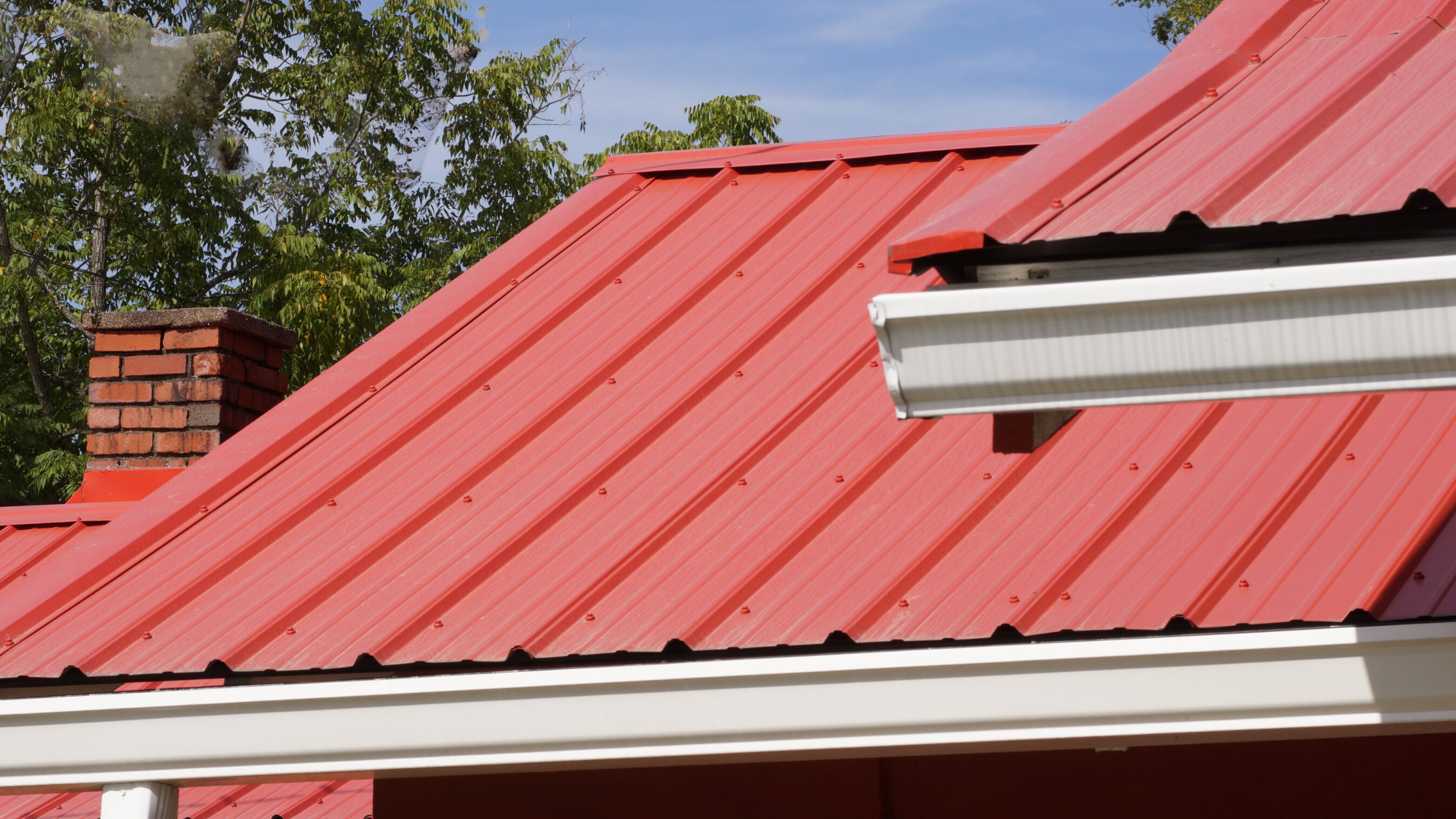
Skylights are among the most common sources of commercial roof leaks in Indianapolis. A skylight that was properly installed and sealed when the building was new becomes a liability as the surrounding roofing membrane ages, the curb flashing separates, or the glazing seal fails under years of Indianapolis freeze-thaw cycling and UV exposure. Commercial Roofers Indianapolis diagnoses and repairs commercial skylight leaks across Marion County — addressing the actual source of water intrusion rather than applying surface patches that fail within a season.
Indianapolis commercial skylight leaks come from a handful of predictable failure points. Curb flashing is the most common: the base flashing that wraps the skylight curb and integrates with the surrounding membrane separates over time due to thermal movement, adhesive failure, or membrane shrinkage. Glazing seal failure — where the gasket or sealant between the glazing unit and the frame deteriorates — allows water to track inside the frame and appear as a ceiling stain well inside the building footprint, making the source difficult to identify without a systematic inspection. Condensation within hollow glazing units creates moisture patterns that are sometimes mistaken for leaks but require a different repair approach.
Locating the true source of a skylight leak in a Central Indiana commercial building requires a systematic approach. A visual inspection of the curb flashing, membrane integration, and glazing condition identifies obvious failure points. Water testing — controlled water introduction at specific zones while monitoring for interior response — confirms the actual source when multiple failure points are present. This diagnostic step is critical because water that enters at a curb flashing separation may travel several feet along the deck before appearing at the ceiling, causing property managers to incorrectly identify the leak location and apply ineffective repairs.
The standard repair for a failed skylight curb flashing involves removing the existing base flashing to the membrane field, cleaning and preparing the curb substrate, and installing new sheet metal or pre-formed rubber base flashing integrated into the surrounding membrane. On Indianapolis buildings with TPO or PVC flat roofing, the base flashing is heat-welded to the field membrane for a continuous, solvent-free joint. On EPDM roofs, compatible EPDM flashing and bonding adhesive are used. The completed repair restores the curb-to-membrane integration to the standard required by the membrane manufacturer's warranty and eliminates the primary leak pathway.
Central Indiana's repeated freeze-thaw cycles are particularly damaging to skylight curb assemblies. Water that infiltrates a minor curb flashing gap freezes overnight, expanding the gap and accelerating the separation. By the time the leak becomes visible inside the building, the flashing may have separated from the curb face by a significant margin. Buildings in Marion County that have not had skylight curb flashings inspected in three or more years should include curb condition in the next roof inspection scope, especially if the roofing membrane is more than ten years old and thermal movement has been cycling through the assembly for years.
When the leak source is confirmed to be the glazing seal rather than the curb flashing, repair involves removing the failed sealant or gasket material and replacing it with a compatible, UV-stable silicone or structural glazing compound. On older single-pane skylights, glazing replacement is sometimes more cost-effective than continued resealing if the glass or polycarbonate panel itself has become brittle or discolored. For multi-pane insulated glazing units showing internal fogging or condensation, the glazing unit itself has failed and must be replaced — resealing the exterior of a failed IGU does not restore its thermal performance or stop internal moisture accumulation.
Tell us about the building and the roof problem. We'll document it and put a plan in writing — with an honest repair-vs-replace recommendation and no upsell pressure.
Get a Roof Assessment →
Commercial & industrial roofing across Central Indiana — documented scopes, honest priorities, and roofs scoped to how your operation runs.