Perimeter and edge-system damage inspection, emergency stabilization, and documentation for Indianapolis commercial roofs after straight-line wind and severe storm events.
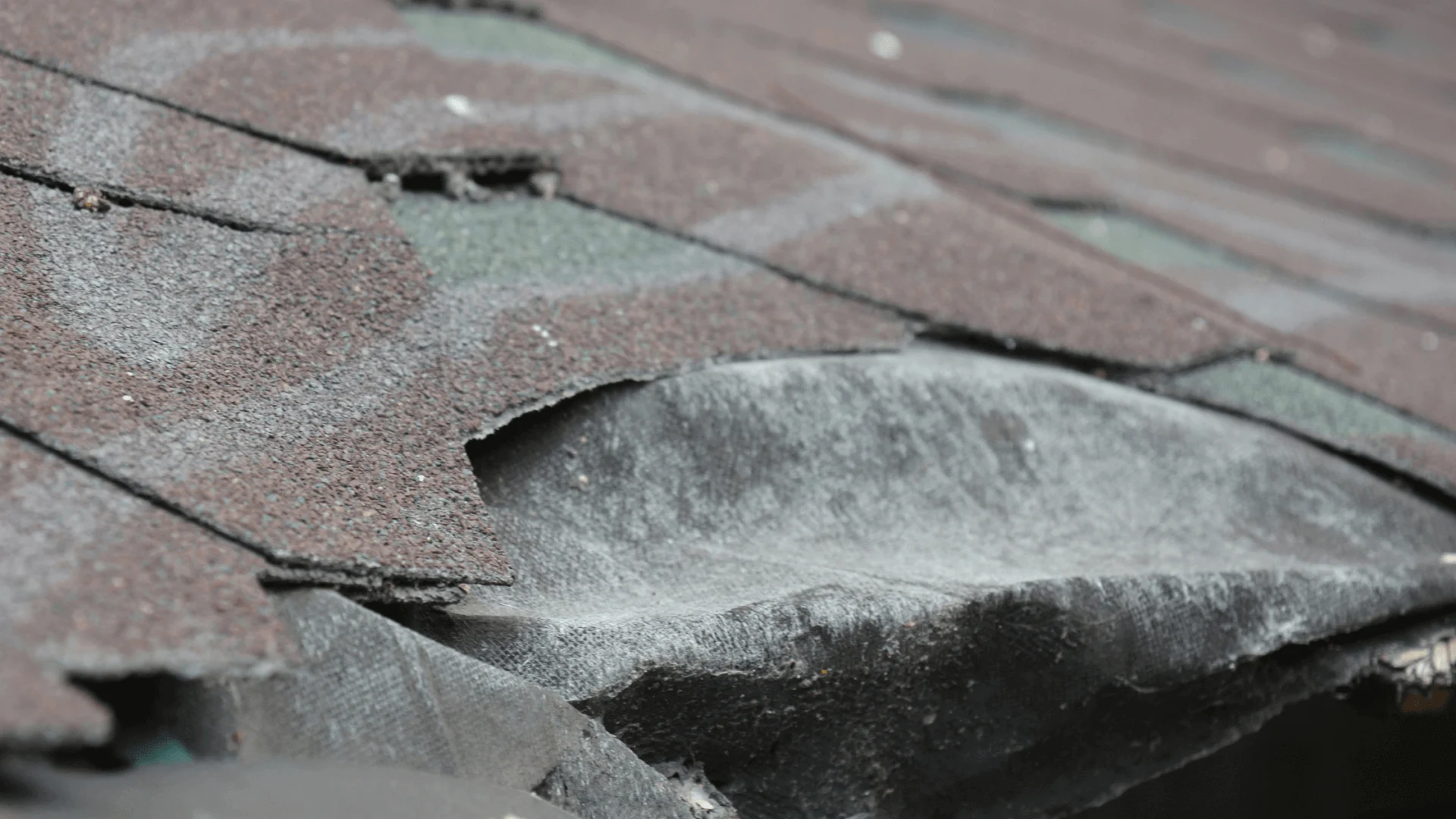
Severe thunderstorm season in Central Indiana brings more than rain — straight-line wind gusts, derecho-type events, and the occasional tornado-adjacent squall line move through Marion County and the surrounding suburbs several times a year, and a commercial low-slope roof is often the first building surface to show it. Wind damage claims differ from hail claims in an important way: the damage is usually concentrated at the roof's edges and perimeter rather than spread across the whole field, and it tends to progress fast if it isn't caught and stabilized quickly.
Wind uplift concentrates at the perimeter, corners, and any rooftop penetration first — those are the areas where the wind's negative pressure is strongest. Common wind damage patterns include lifted or missing edge metal, membrane blow-off at seams and terminations, torn or displaced flashing around curbs and penetrations, and rooftop equipment shifted or dislodged from its curb. On buildings along the exposed logistics corridors near I-65 and I-70, where large flat roofs have long unbroken wind runs, perimeter damage from a single wind event can be extensive even when the rest of the field looks untouched.
Unlike hail bruising, which can sit undetected for a while, wind-lifted edge metal or a torn membrane seam is an active failure point — the next rain event or the next wind gust makes it worse. That's why emergency stabilization matters for both the building and the claim: any confirmed breach gets temporarily secured the same day it's found, photographed before the temporary repair goes in, and logged as a distinct line item so the carrier can see the original damage separate from the stabilization work. Interior inspection matters here too — ceiling tiles, insulation, and equipment below any breach point are checked and documented immediately, since interior water damage is easier to dispute if it's allowed to dry out before it's recorded.
We document each area of wind damage with photographs, a written description of the failure mechanism (uplift, blow-off, impact from wind-borne debris), and its location on the roof plan, and we corroborate the event with wind speed and storm timing data for the date in question. Where a partial membrane section has to be opened to make the repair, current fastening and edge-securement code requirements are part of the documented, complete scope — not an upsell, but what the code requires when that section of roof is disturbed.
We walk the perimeter and every damaged section with the carrier's adjuster, showing where uplift occurred, why the edge system failed at that point, and what the correct repair method is for that membrane and edge detail. Straight-line wind and derecho damage can look confusing to someone who doesn't work on commercial roofs daily — having the contractor who inspected the roof present for that conversation keeps the technical explanation accurate.
We're your roofing contractor, not a public adjuster — we document the wind damage and the emergency stabilization steps taken so your claim reflects what actually happened on the roof.
We'll stabilize any active breach, document the damage, and give you a written scope for your claim.
Get a Roof Assessment →
Commercial & industrial roofing across Central Indiana — documented scopes, honest priorities, and roofs scoped to how your operation runs.