Commercial roofing for university buildings, dormitories, academic halls, and college campuses throughout Indianapolis, IN.
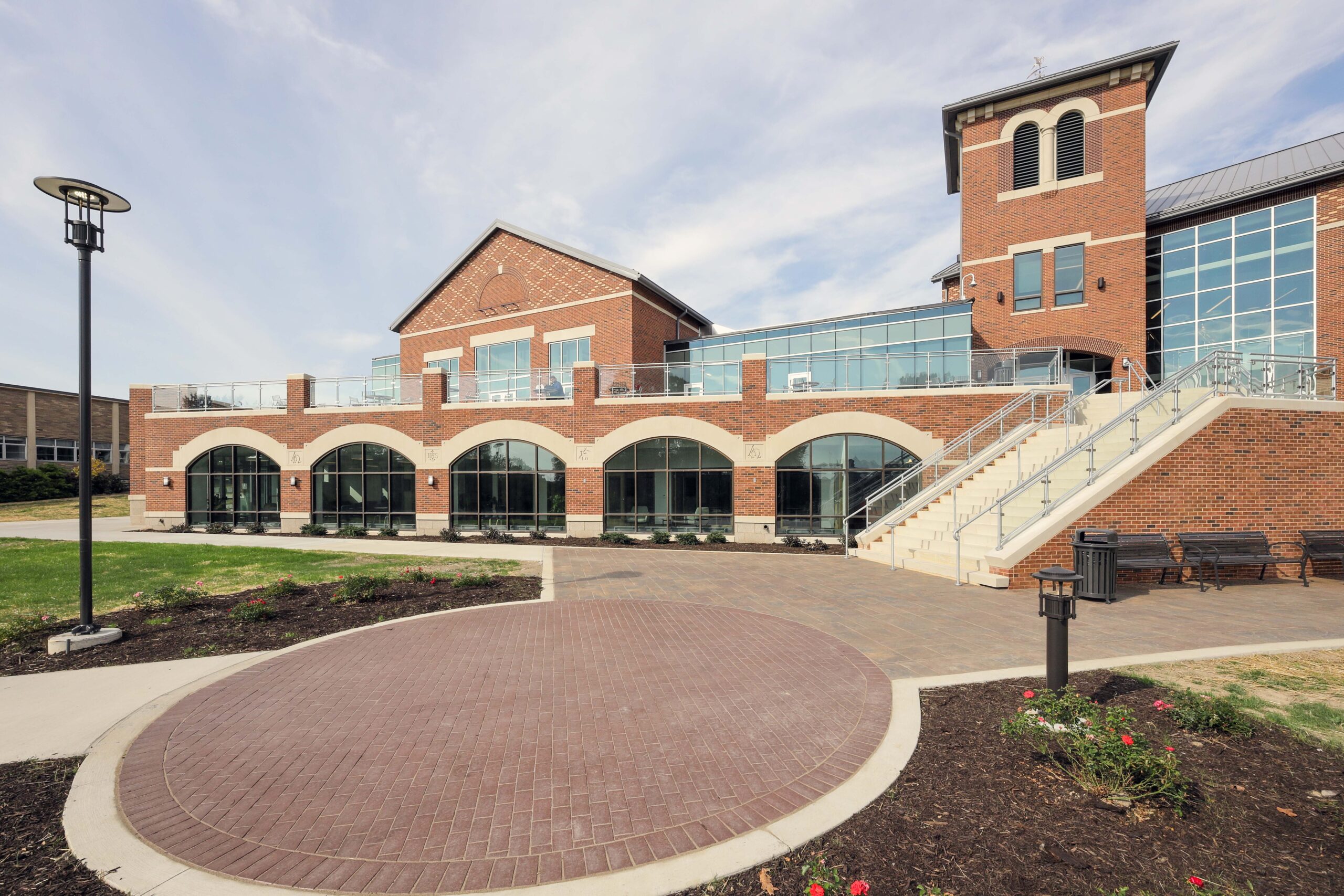
University and college campuses in Indianapolis present one of the most complex roofing environments in the commercial sector. A single campus may include buildings spanning decades of construction — dormitories with sloped shingle or metal roofs, academic halls with flat membrane roofing, gymnasium and athletic facilities with large clear-span structures, and laboratory or research buildings with specialized HVAC requirements that dictate how roof penetrations are managed. Commercial Roofers Indianapolis works with campus facilities departments, capital planning offices, and deferred maintenance programs to deliver multi-building roofing services across the higher education institutions serving Marion County and Central Indiana.
Managing roofing across a university campus in Indianapolis is fundamentally a portfolio management problem. Each building has a different age, system type, and condition. Roofing failures interact with active academic, research, and residential uses — a leak in a dormitory affects students immediately, while a leak in a research lab may damage equipment worth far more than the roof repair cost. The facilities department must allocate limited capital across dozens of competing needs, which requires accurate, current condition data on every roof in the portfolio rather than reactive response to visible leaks.
University roofing projects in Indianapolis occur in buildings that are rarely vacant. Dormitories are occupied nine months of the year. Academic buildings run classes, labs, and events year-round. Athletic facilities host events on evenings and weekends. Access planning for campus roofing projects must account for class schedules, event calendars, and residential occupancy in ways that are more complex than typical commercial building roofing. Crane and equipment placement, staging area requirements, noise windows, and dust and debris containment for occupied academic spaces all require pre-project coordination with the campus facilities team.
Central Indiana's climate affects the wide variety of roof types found on Indianapolis campuses differently. Older dormitories with low-slope built-up roofing are vulnerable to freeze-thaw membrane degradation and drain blockages that cause interior damage during winter thaw events. Flat-roofed academic buildings face ponding water challenges on roofs with inadequate slope or blocked drains after the heavy spring storms typical of the Indianapolis area. Laboratory and research buildings with dense rooftop mechanical equipment have complex penetration flashing assemblies that require specialized attention during any membrane repair or replacement work.
Indianapolis university buildings span every commercial roofing system type. Older flat-roofed buildings have built-up roofing (BUR) systems with gravel ballast that are typically candidates for recover or replacement when they reach 20 to 30 years of age. Mid-generation buildings often have EPDM systems installed in the 1990s and 2000s that are approaching end of service life. Newer construction uses TPO as the standard flat roof membrane with NDL manufacturer warranties. Sloped roofs on campus buildings use standing seam metal, asphalt shingle on residential-scale dormitories, and synthetic slate or tile for historic or aesthetic applications. Managing all of these system types within a single campus portfolio requires a contractor with documented experience across the full range.
Indianapolis university facilities departments operate on multi-year capital plans that must project roofing expenditures years in advance. A campus-wide roof condition survey that assigns remaining service life estimates to each building and roof section provides the data foundation for that planning. The survey output — organized as a building-by-building condition register with photos, system descriptions, and priority rankings — translates directly into the capital ask to the provost, board of trustees, or state appropriations process. Maintenance program enrollment for roofs not yet ready for replacement keeps those systems in warranty-compliant condition and defers capital expenditure without increasing deferred maintenance liability.
Tell us about the building and the roof problem. We'll document it and put a plan in writing — with an honest repair-vs-replace recommendation and no upsell pressure.
Get a Roof Assessment →
Commercial & industrial roofing across Central Indiana — documented scopes, honest priorities, and roofs scoped to how your operation runs.